
Rahul Gandhi’s Call to Resist the Modi Regime: Echoes of Gandhi’s Swaraj – 2 Articles
‛Speech at the INDIA Alliance Conclave on June 8’; ‛Rahul Gandhi’s Call for Resistance Echoes Gandhi’s Vision of Swaraj’: The abiding relevance of Rahul’s idea of resistance in the wake of the BJP capturing the institutions of the State and mounting anger of people flow from Mahatma Gandhi’s idea of Swaraj, one aspect of which is anchored in resistance.

The US Suffers a Historic Strategic Defeat in Iran: What Comes Next? – 2 Articles
‛Trump’s Iran Disaster an Even Bigger US Strategic Defeat Than Vietnam: Expert’: Paul Musgrave says that the damage done to the United States’ reputation and credibility in the wake of the Iran war are significantly more severe than anything the country suffered in the wake of Vietnam. Also: ‛Iran Defeated the US Empire. What Happens Next?’.

No Ceasefire for Palestine: Israeli Killings and Ethnic Cleansing Continue from Gaza to the West Bank – 2 Articles
‛Gaza Post-Ceasefire Death Toll Surpasses 1,000 Amid Ongoing Israeli Attacks: What We Know’; ‛Israel Killed More Palestinians in the Occupied West Bank During the Gaza Genocide Than in the Previous 17 Years: Oxfam’.

Falsifying the Truth: PUCL Condemns the Systematic Manipulation of Census Data and the Suppression of Ground Realities in the Ongoing Census Exercise
Newsreports disclose that ground-level enumerators are being systematically pressured by senior officials to alter, revise, and falsify data that accurately reflects the lived conditions of India’s most marginalised citizens, and to replace truthful enumeration with figures that serve the political interests of the ruling dispensation.
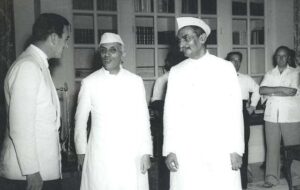
Comparing Nehru with Modi Is a Crime; RSS’s Vishwaguru Hypocrisy – 3 Articles
‛Nehru and Modi: An Odious Comparison’; ‛Modi’s Obsession with Headline Management Won’t Buy Him the Immortality That He Craves’; ‛Why the RSS’s Vishwaguru Vision Collapses Under Its Own Hypocrisy’.
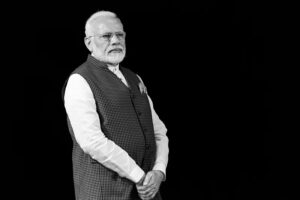
Five Issues Raised by Modi Govt’s Response to US Military’s Killing of Indian Sailors
True sovereignty demands the independence to call out hostile actions against one’s citizens, regardless of the perpetrator’s geopolitical stature. PM Modi’s absolute silence exposes how deeply constrained Indian foreign policy has become by its strategic embrace of Washington.

India’s Quiet Privatisation of Grain Stocks at a Time of Global Food Crisis
Failing to remove the Essential Commodities Act through the farm laws due to the farmers’ agitation, the Modi Government is now adopting a different strategy. The FCI is contracting out food grain storage to private companies – Adani Agri Logistics Ltd and Leap India Food & Logistics Private Limited.

People Resist Bulldozers in Jadavpur; Will Secular Bengal Survive the BJP – 2 Articles
‛Bulldozers at Midnight: The Jadavpur Eviction and the Resistance That Refused to Yield’; ‛Bonbibi vs the BJP’: Bengal has a long culture of shared identities, layered histories and mixed rituals; all that is entering a political era powered by Hindutva consolidation and growing suspicion toward the Muslim other. Will secular Bengal survive?
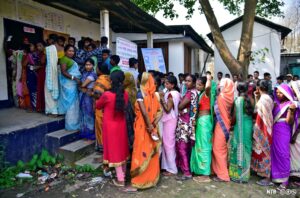
Exclusive SIR Probe: How Many Voters Did ECI Really Disenfranchise?
Official SIR data from 14 States and UTs does not fully add up. The SIR exercise began with 61.38 crore existing electors in all states. After 5.29 crore final deletions and 1.87 crore additions through Forms 6 and 6A, the final roll should have been 57.96 crore electors. However, the published roll shows only 55.17 crore electors, leaving an unexplained gap of 2.79 crore!

Adani Group Sweeps All Coal Power Tenders from BJP States; Set to Earn Rs 13.27 Lakh Crore Over 25 Years
After a decade-long gap, India turned back to long-term coal power contracts in 2024. Some states tailored the tender conditions. The Adani Group won big.

What NFHS-6 Doesn’t Tell Us
The sixth National Family Health Survey cut 30 indicators from the last round. Public health experts say the omissions reduce accountability for programmes that affect crores of people.
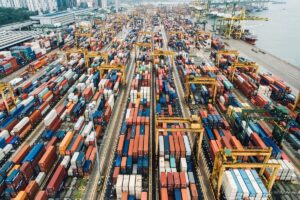
Great Nicobar: Destruction in the Name of Development – 2 Articles
‛Great Nicobar at a Crossroads: Development, Defence, and the Future of an Ancient Island – Some Big Questions to Answer’; ‛Great Nicobar’s Blueprint for “Development at any Cost”’: The NGT’s acceptance of the government’s arguments in favour of the project shields the Centre from accountability and discourages critical scrutiny of a project of far-reaching consequences.
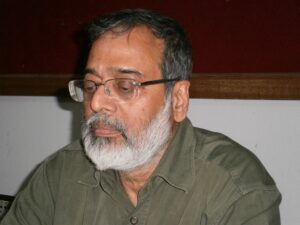
‘You Don’t Commit Yourself to Either Hope or Despair:’ An Editor Discusses the Price of Justice
Journalist Prabir Purkayastha reflects on solidarity, uncertainty and the State’s power after the Delhi High Court quashed a case against NewsClick, calling it a “gross abuse of process” and “malafide” proceeding.
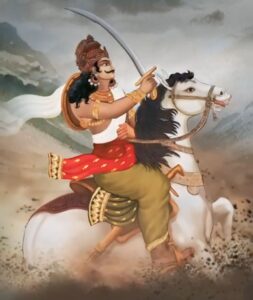
The Pushyamitra Syndrome: Why Anti-Caste Politics Must Abandon Its King Obsession
Who is Pushyamitra Shunga? Why does his name provoke such disproportionate political investment? And how has a relatively obscure figure from the second century BCE become a recurring site of ideological contestation in 21st century India?
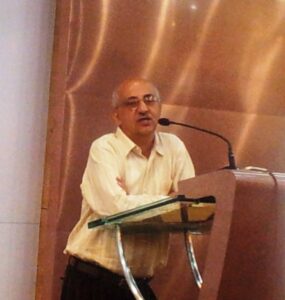
India’s Little Told Stories of Faith and Forgiveness
The first Rehmat festival brought together accounts of courage, aching compassion, heroic solidarity, and tender forgiveness.

Hindutva vs Dravidian Nationalism – 2 Articles
‛The Battle Between Hindutva and Dravidian Nationalism Is Ideological, Not Electoral’; ‛Why Dravidianism Is Needed in a Hindutva Polarising Society?’: Dravidianism is a revolutionary social, political, and philosophical framework to liberate the marginalised and build an egalitarian society.
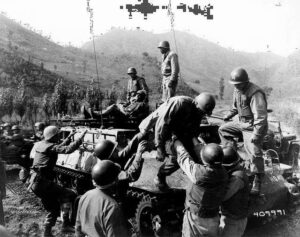
Lessons for Iran from the Korean War
The “forgotten war” in the 1950s is a blueprint for Iran. History teaches us that when a nation deals with a bully and a hegemonic power, you don’t back down. You fight. And fight some more. The only way to get the hegemon to the negotiating table is to give it a bloody nose, preferably a broken one.

Elon Musk, Trillionaire: Extreme Wealth, Oligarchic Power, and the Politics of Fascism – 2 Articles
‛Elon Musk Is Now a Trillionaire. How Much Is a Trillion Really?’; ‛Elon Musk and the Politics of Trillionaire Fascism’: Elon Musk is less an aberration than the grotesque byproduct of a capitalist order that converts inequality into virtue, exploitation into spectacle, and mistakes its own deepest failures for its greatest successes.
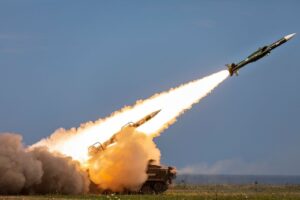
America’s War Budget Soars as Millions Lose Food Aid and Healthcare – 6 Articles
‛While Slashing Food Aid and Healthcare, GOP Advances Trillion-Dollar Military Budget’; ‛The Real Budget of the U.S. MilitaryIs Far Larger Than Reported’; ‛More Americans Are Hungry in the Face of Federal Cuts, Rising Grocery Prices’; ‛More Than 770,000 Children Are No Longer Receiving SNAP Benefits’; ‛Nearly Half of Adults Struggled to Afford Healthcare Last Year’; ‛More Than 5 Million People Have Lost Health Coverage Under Trump-GOP Law’.

From Hitler’s Olympics to Trump’s World Cup: Sport in the Service of Fascism and Big Money – 2 Articles
‛FIFA World Cup 2026: “The Beautiful Game” in Grip of Trump and Financial Oligarchy’; ‛From Hitler’s Olympics to Trump’s World Cup’: The elective affinities between Hitler’s Olympics and Trump’s World Cup are glaringly obvious: the same propagandistic exploitation of the sporting event by the same authoritarian, racist, and freedom-suppressing regimes led by megalomaniacal supreme leaders.
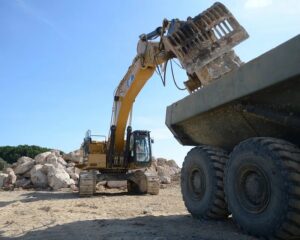
From the Andes to the Congo: The Global Lithium Rush and the New Green Colonialism – 2 Articles
‛The Lithium Frontier: Empire, Oligarchs, and the Struggle for the Salt Flats of the Andes’; ‛Lithium Mining in the Democratic Republic of Congo: A New Mineral Rush Spearheaded by the United States, Europe, and Other Major Powers’.

Senegal on the Edge of Collapse
The path offered by the IMF to Senegal’s debt crisis promises stability, but results in perpetual stagnation. The alternatives outlined in this article are more politically demanding, and more confrontational. But they open the possibility of a different trajectory: one in which development, rather than debt repayment, becomes the organising principle of economic policy.

‘The Argentine Left Must Aim to Govern with a Strategy for Power’
Claudio Katz assesses the newfound prominence in Argentine politics of Workers’ Left Front – Unity (FIT-U) MP Myriam Bregman, and outlines some of the debates on the left. Katz also examines Argentina’s political situation, its economic crisis and President Javier Milei’s declining support, within a regional framework marked by events in Cuba, Venezuela, and Bolivia.
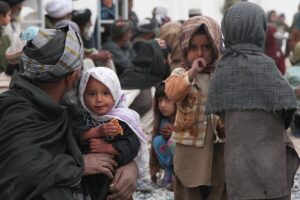
Under Pakistan’s Military Shadow: Baloch Resistance and the Ordeal of Afghan Refugees – 3 Articles
‛Empire in Uniform: A Literary Reflection on Pakistan’s Military State’; ‛The Women of Huda Jail: Conscience Behind Bars and the Enduring Baloch Quest for Dignity’; ‛Shattered Bottles, Shattered Dreams: Afghan Refugees in Limbo’.

The Start of Indigenous Agriculture in North America and the American Genocide
This article looks at how new historical knowledge about agriculture in North America informs the debate on the mass death of indigenous people in North America in the early period of European settlement. Was it genocide, or were their weak immune systems to blame?

Climate Collapse Is Not an Accident
Climate collapse is no accident. This catastrophe is deeply entwined with the historical development of a system organized around competitive accumulation, structural growth, and incentivized abandonment of ecological responsibility.

Marilyn Monroe: A Clear-Minded, If Taciturn, Marxist
This year marks the centenary of the birth of Marilyn Monroe. Despite the image cultivated by the misogynist Hollywood publicity machine, she was a highly politicised woman, a performer of sharp comic intelligence, a canny architect of her own image, and a woman who reshaped the possibilities for female stardom on screen.

Two Tributes to Bharathiraja, the Legendary Filmmaker
‛Bharathiraja and the Cinema of Social Justice’; ‛Bharathiraja: A Human Rights Visionary’: Two tributes to the legendary filmmaker who brought rural Tamil Nadu to the silver screen.