Which Hindi Do We Speak Anyway?
The battle has always been about “purifying” Hindi, stripping it of foreignness, limiting its vernacular inclusions.
India’s oldest Socialist Weekly!
Editor: Dr. G.G. Parikh | Associate Editor: Neeraj Jain | Managing Editor: Guddi
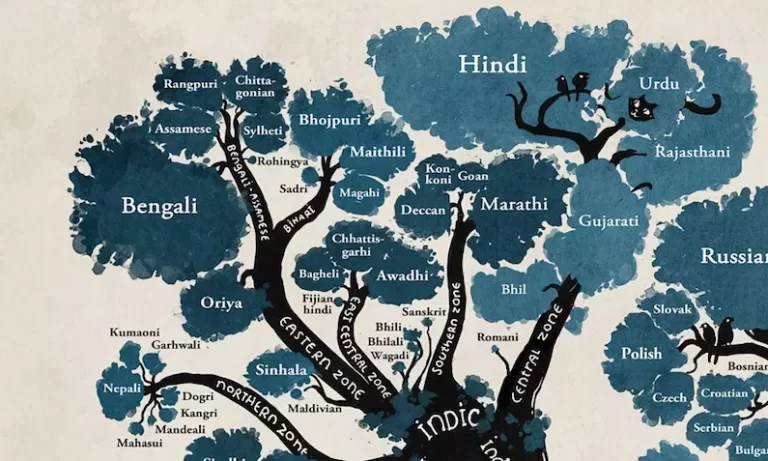
The battle has always been about “purifying” Hindi, stripping it of foreignness, limiting its vernacular inclusions.

‘“Absolutely Wrong to See Mughals as a Foreign Empire”: Historian Richard Eaton’: Calling the Mughals a foreign empire is like calling America a foreign empire. The author also points out that it is impossible to rid India today of their influence. Also: ‘Erasing the Mughals: NCERT’s Assault on Truth and Memory’.
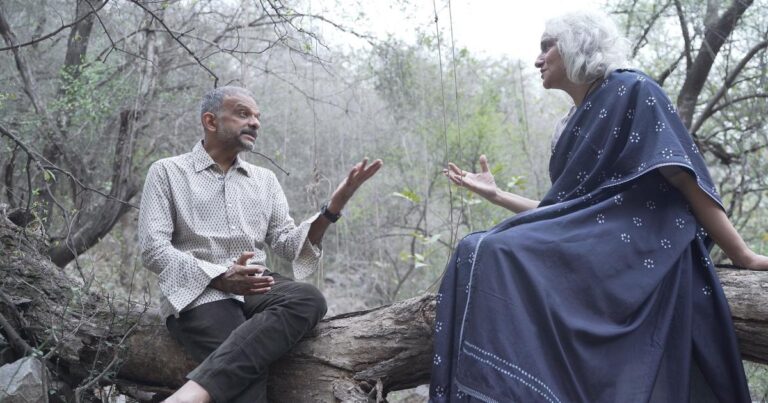
Historian Nayanjot Lahiri and the musician discuss their collaboration to reimagine Ashoka’s words through a contemporary prism.
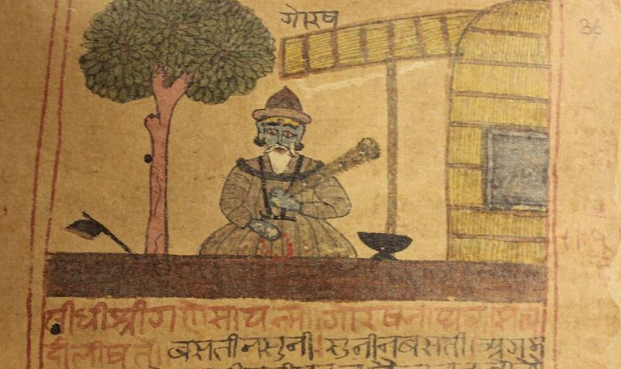
‘Gorakhnath’s “Stolen” Legacy: Lalu’s Cultural Counter to Hindutva Ahead of Bihar Election’: Lalu’s revelation that Gorakhnath stood for inclusivity, coexistence, love and a harmonious synthesis of Hindu and Muslim faiths has the potential to challenge the Hindutva narrative. Also: ‘An Introduction to Saint Gorakhnath and His Inclusive Legacy’.
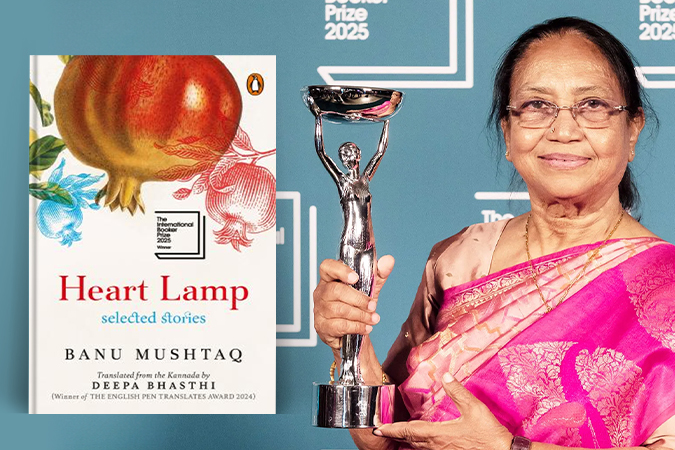
‘Banu Mushtaq: The Rebel Writer’: Banu Mushtaq’s Heart Lamp brings Kannada protest literature and Muslim women’s voices to the 2025 International Booker stage. Also: ‘Banu Mushtaq Writes Women as They are: Tired, Resilient, and Rarely Thanked’.
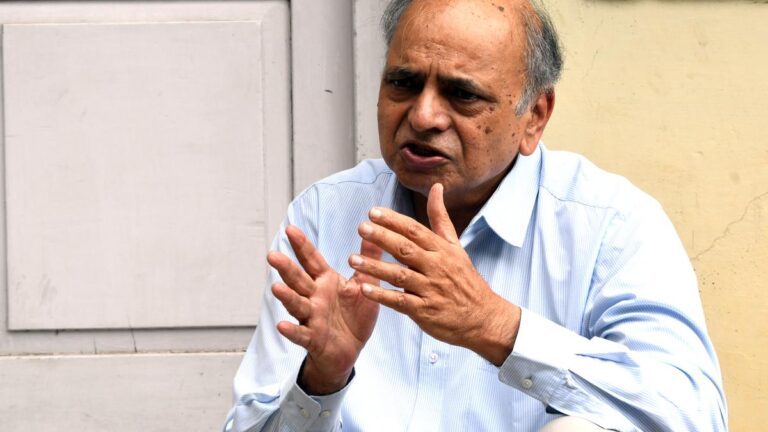
The politics of language today must be seen in the larger perspective of Indian civilization’s history. We should not allow anyone to drag this country and civilization back into the same mistakes from which our people have suffered for 2000 years.
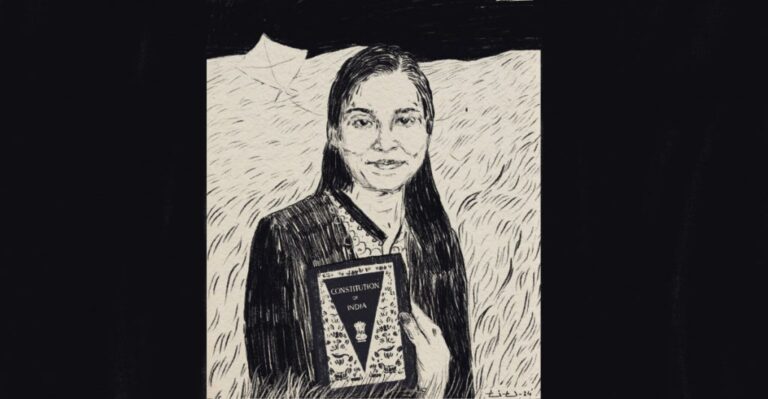
Gulfisha Fatima. Half a decade has gone by and she has not been granted bail during this entire span, not even an interim one. Three benches of the Delhi High Court have not been able to move the young Muslims named in this FIR and who continue to be incarcerated an inch closer to bail. As for Gulfisha Fatima, she happens to be the only woman charged in that FIR who is still in jail.
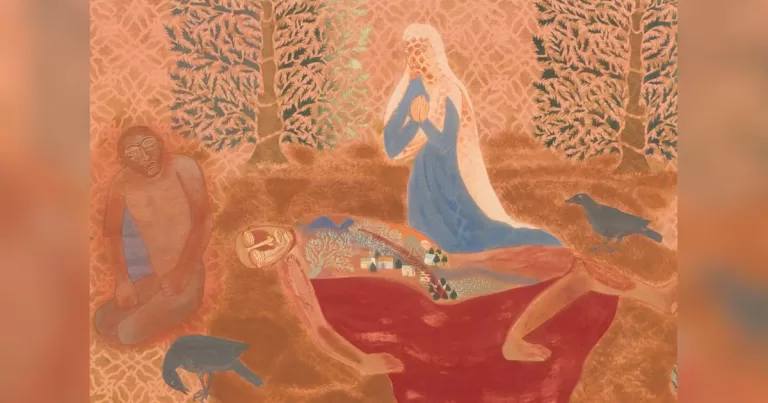
Her praxis, as her poetic corpus reveals, is rooted in the Saivate tradition and equally influenced by Islamic mysticism.

Poets have mostly stood on the wrong side of the power and took upon themselves the task of making the truth known. Faiz Ahmad Faiz is a poet of this family, the family of which Persian poet Nazeeri Nishapuri said, “The one who is not killed is not from our tribe”.

Considered by some the most incomparable cultural icon of medieval Islamic India, Khusrau left such a deep imprint on Delhi’s culture that it can still be felt.
Help us increase our readership.
If you are enjoying reading Janata Weekly,
DO FORWARD THE WEEKLY MAIL to your mailing list and
invite people to subscribe for FREE!