Democracy Damned by Doctored Data
When growth numbers flatter power, hide job scarcity, and mute rising costs, bad data stops disciplining policy and democracy pays a hefty price, writes the famed economist professor.

India’s oldest Socialist Weekly!
Editor: Dr. G.G. Parikh | Associate Editor: Neeraj Jain | Managing Editor: Guddi
When growth numbers flatter power, hide job scarcity, and mute rising costs, bad data stops disciplining policy and democracy pays a hefty price, writes the famed economist professor.

Today, workplaces are truly turning into killing fields. As long as development means profit and workers are treated as fuel, these killing fields will continue to operate.
Migrant workers fuel India’s growth yet remain excluded from its rewards. Policy silences and regional inequalities sustain their exploitation, and caste hierarchies have been reconfigured within neoliberal urban economies to normalise their exclusion from the nation’s systems.
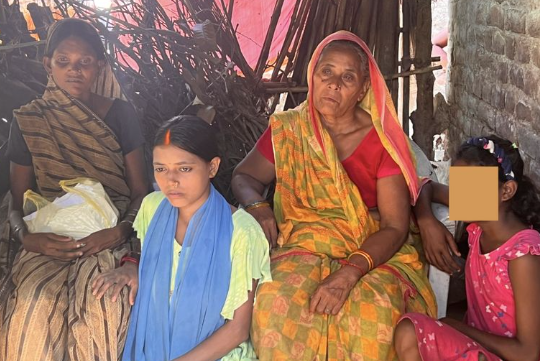
‘Micro Loans are Driving an Already Forsaken Population Further Into Distress’: Despite the fact that the poor today are cash starved and are desperate for loans to make their ends meet, our credit apparatus and banking system seem to have forsaken them. Also: ‘Debts to Death: How Microfinance Companies are Crushing the Poor in Bihar’.
India’s large capitalists and India’s people are both facing problems at present. These problems appear to be direct opposites of each other; but in fact they are two faces of the same phenomenon. The first part of this article described the financial situation of the corporate sector. This part describes the financial situation of the people.
The Government proposes to reduce the rates of GST. This is a tacit admission that the low consumption levels of the people are the underlying cause of the slump in the economy. However, the manner in which this rate reduction is being carried out will not boost aggregate demand, but in fact slightly dampen it further.
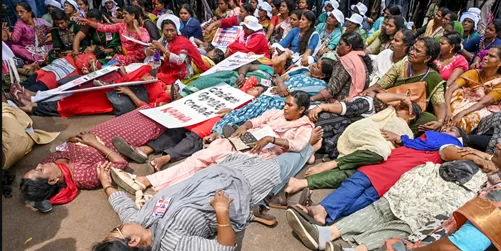
The ASHAs of Kerala receive a meagre honorarium though they play an indispensable role in the State’s healthcare. They are seen as ‘volunteers’ and the Centre refuses to classify them as ‘workers’, but the State government has failed to meet their immediate demands for fair pay and social security.
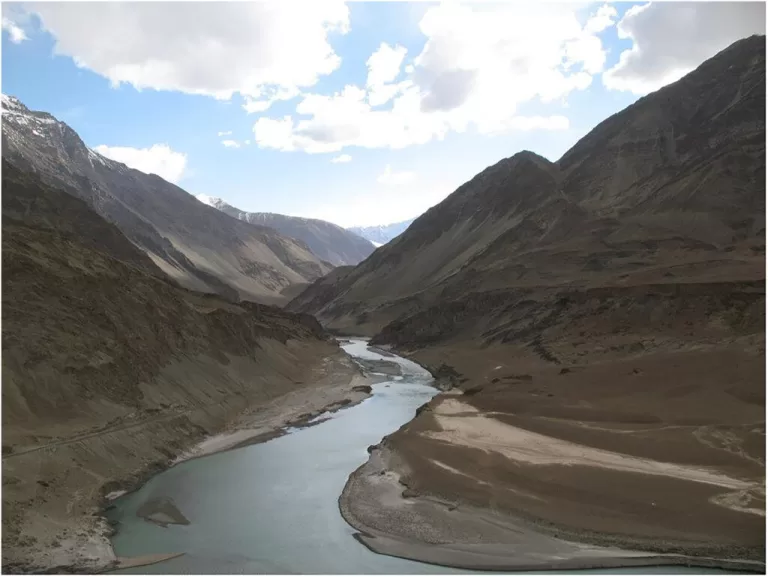
In Ladakh, two drastically opposite visions of energy transition are colliding head-on. The first a grassroots, indigenous approach that emphasises on low-impact and socio-ecologically just energy practices; the other a government and corporate driven, technocratic vision pushing for large-scale energy infrastructure and critical mineral mining.
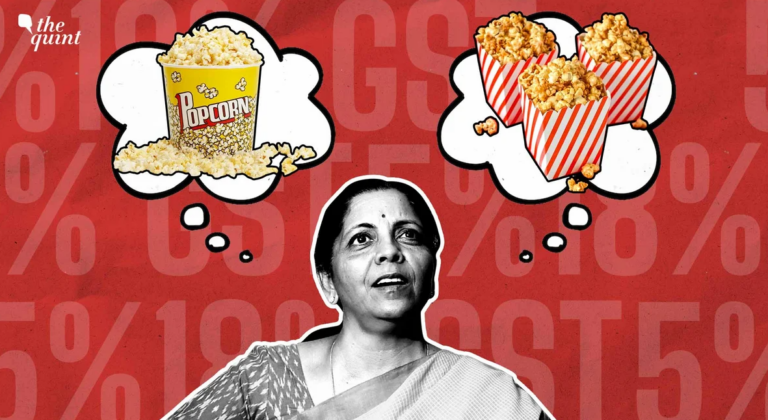
As the curtains fell on 2024, FM Nirmala Sitharaman reminded Indians that after the feast comes the reckoning.
PM AASHA, a crop price support scheme, saw real spending only in the months around 2019 and 2024 Lok Sabha elections. Three years in between the two general elections, the government did not spend a single rupee on the scheme.
Help us increase our readership.
If you are enjoying reading Janata Weekly,
DO FORWARD THE WEEKLY MAIL to your mailing list and
invite people to subscribe for FREE!