Not Just Popcorn: Bizarre GST Rates Are Eating Into Middle Class’ Savings
As the curtains fell on 2024, FM Nirmala Sitharaman reminded Indians that after the feast comes the reckoning.
India’s oldest Socialist Weekly!
Editor: Dr. G.G. Parikh | Associate Editor: Neeraj Jain | Managing Editor: Guddi
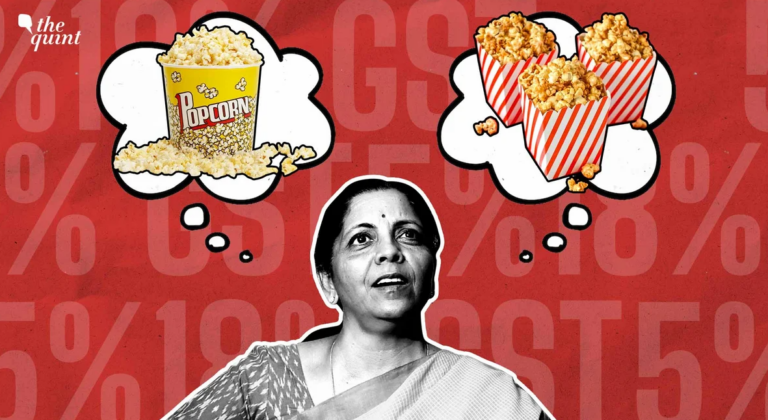
As the curtains fell on 2024, FM Nirmala Sitharaman reminded Indians that after the feast comes the reckoning.
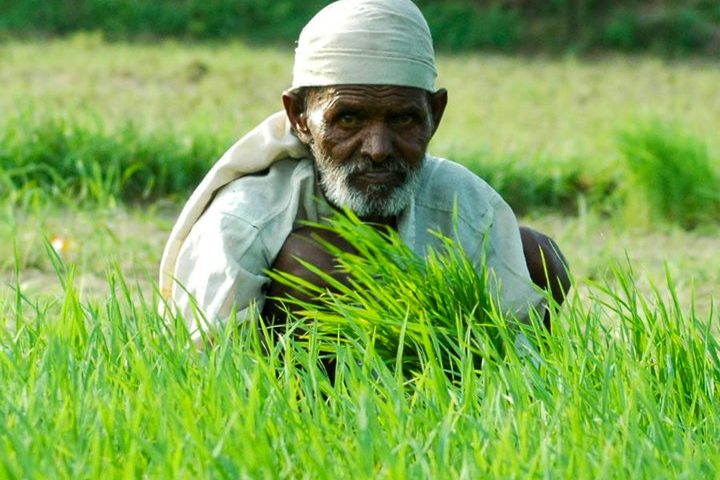
PM AASHA, a crop price support scheme, saw real spending only in the months around 2019 and 2024 Lok Sabha elections. Three years in between the two general elections, the government did not spend a single rupee on the scheme.
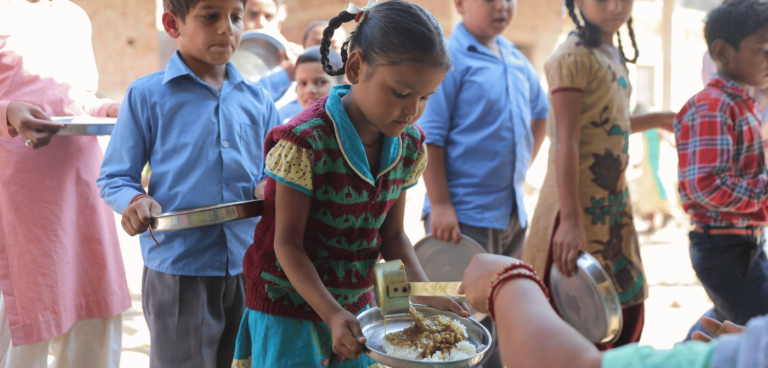
The last two decades have seen little increase in welfare spending. But the NDA government has created an image of being focused on welfare by renaming schemes, appropriating older ones, and starving some UPA schemes of funds.
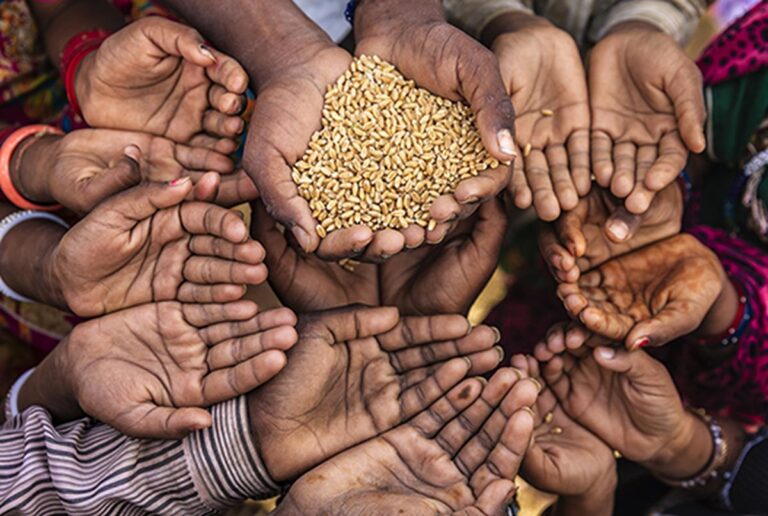
One of the striking findings of the Bihar Caste Survey is that absolute poverty in the country is far more pervasive than what successive governments in India have been claiming. Also: ‘’Over 74% Indians Unable to Afford Healthy Diet’: UN Report’.
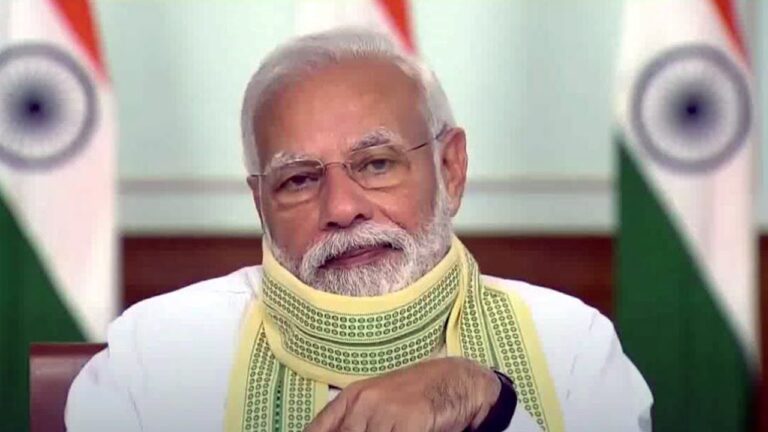
The BJP and Prime Minister Modi use official data to buttress their tall claims on growth, inflation and other issues. The ground reality is at variance from the rosy depiction by the government.
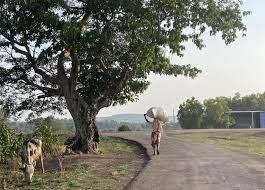
For nearly a decade, the government of Prime Minister Narendra Modi has withheld or criticised available data on poverty. From the interiors of India’s richest state, Maharashtra, a report on how daily wages are stagnant, as inflation and rising costs push more Indians into poverty.
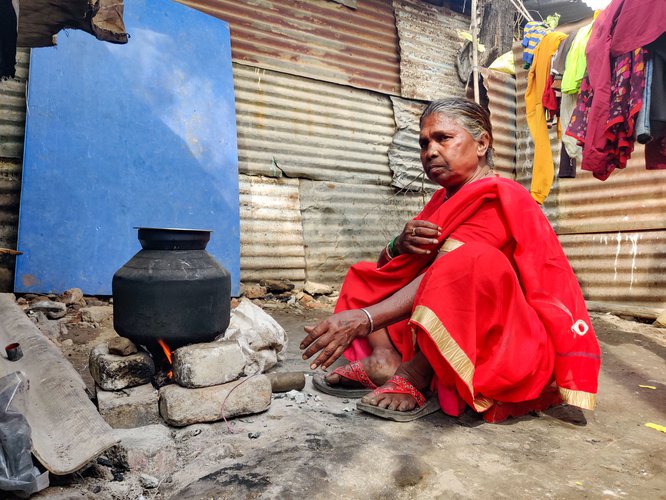
With little access to clean cooking fuel, many women in Nagpur’s Chikhali slum are now prone to respiratory diseases, breathing difficulties and damaged lungs.
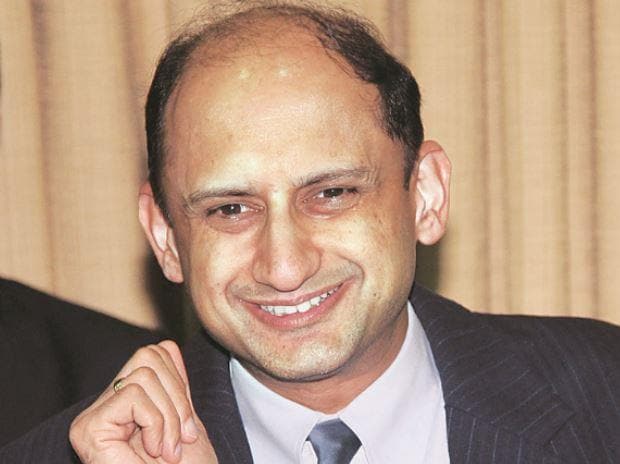
Industrial concentration by these top private players has allowed them to charge much higher product prices than their competitors, the former deputy RBI governor said.
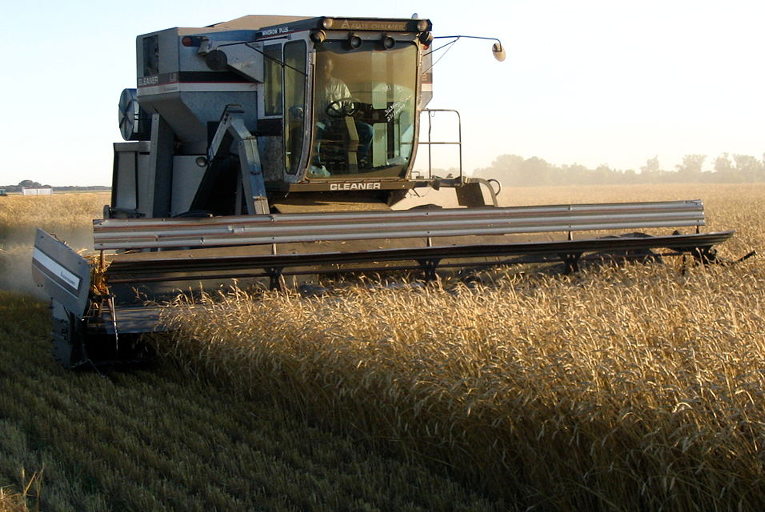
Four companies dominate the global grain trade and at least 70% of the market. They are reporting record profits. As food prices skyrocket and hunger rises, and with the prospect of still more supply shortages, such profiteering is clearly unjust and a sign of abject market failure.
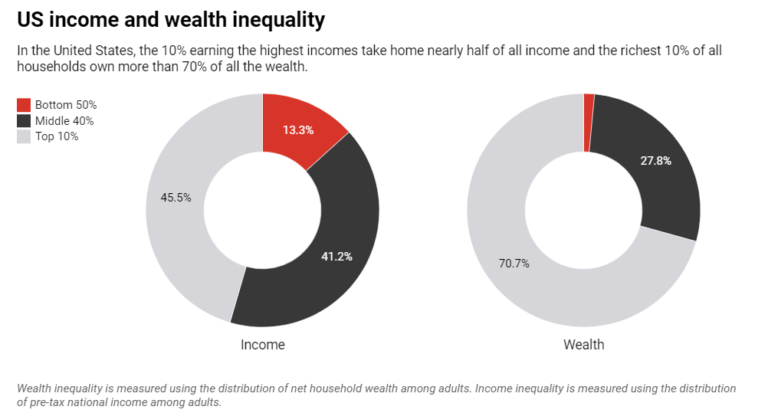
Globally, the richest 10% of people now possess nearly 76% of the world’s wealth. Meanwhile, the bottom 50% own just 2%, according to the 2022 World Inequality Report, which analyses data and the work of more than 100 researchers and inequality experts.
Help us increase our readership.
If you are enjoying reading Janata Weekly,
DO FORWARD THE WEEKLY MAIL to your mailing list and
invite people to subscribe for FREE!