NAM and Nehru’s Principled Stand
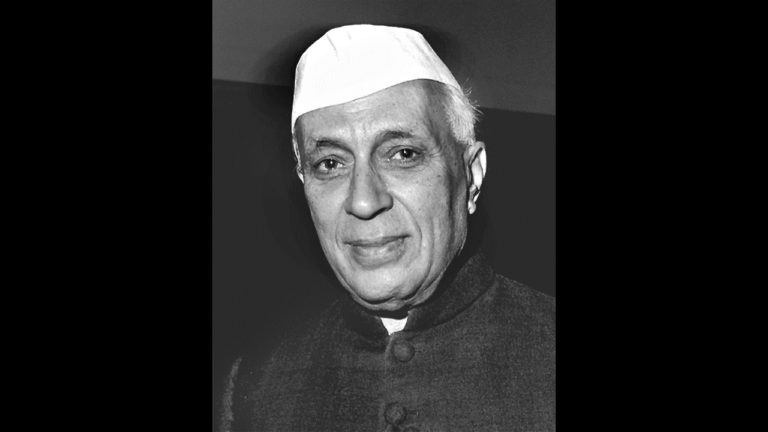
To Nehru, disarmament in general, and the elimination of nuclear weapons in particular, were integral to the doctrine of non-alignment.
India’s oldest Socialist Weekly!
Editor: Dr. G.G. Parikh | Associate Editor: Neeraj Jain | Managing Editor: Guddi
To Nehru, disarmament in general, and the elimination of nuclear weapons in particular, were integral to the doctrine of non-alignment.
Nearly 50,000 teachers joined madrasas under the modernisation scheme. For almost five years, they have not received the Union government’s share of the salary.
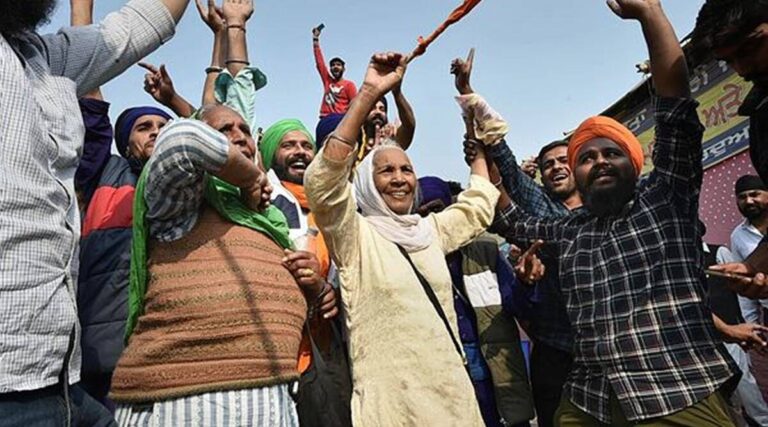
Braving all odds, the farmers continued their struggle, and have triumphed! Let us learn from our farmers! Because the nation has still plenty of critical and urgent issues to address, such as repealing the UAPA, the CAA, the three anti–worker Labour Code Bills …
Followers of Hindutva believe that Jainism is just a branch of Hinduism, despite the fact that it is deemed a minority religion in India’s Constitution. While there are no doubt many things that are common between Jain and Hindu belief systems, there are also many things that differentiate them.
In a country where Dalit teachers have been slapped, Dalit students called “bloody bastards” and their “merit” frequently questioned, a Dalit scientist won her rights after a 11-day hunger strike. But that is a rare instance; casteism continues to pervade academia.
From partial restrictions to total bans, the judiciary has swayed in its interpretation of this question.
The electoral bonds system allows corporates to anonymously donate theoretically infinite amounts of money to political parties, triggering concerns that the ruling party will return the favour through corporate-friendly public policy.
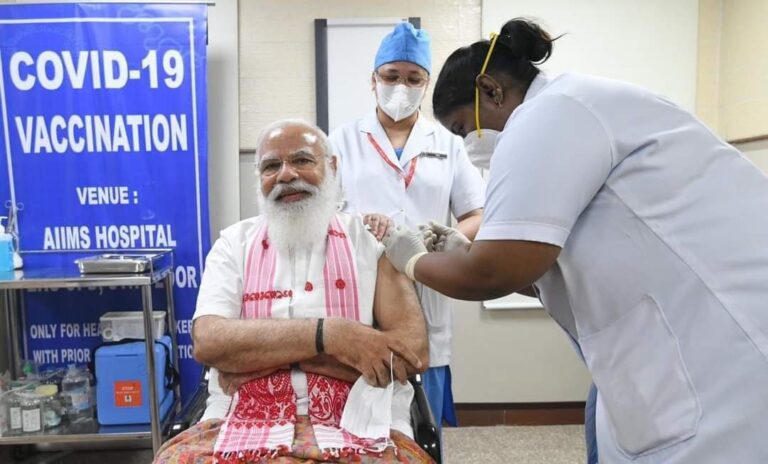
The supply of Covaxin—one of the world’s cheapest vaccines by investment but among the costliest in the market—is marred by shortages. The financial details of the deal are secret, production capacity is unclear and royalties to the government are likely underpaid.
The anti-India popular outbursts in Bangladesh, soon after the liberation of the country (that was brought about through the military intervention of the same India), need to be understood in the context of the complicated relationship between the liberators and the liberated.
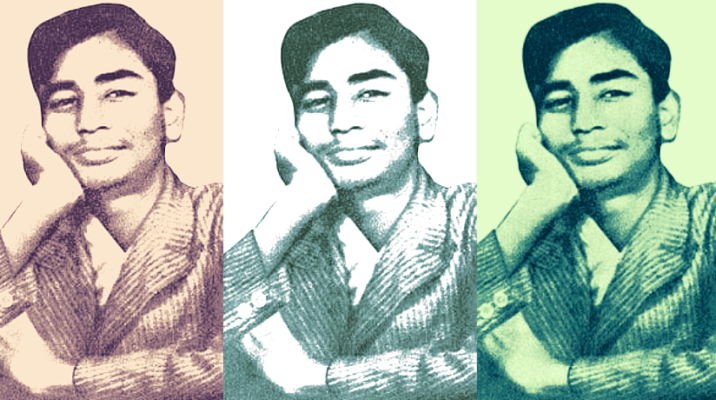
Had he lived longer, Sukanta Bhattacharya could obviously have given us much more, but we should be grateful for what he left behind.
Help us increase our readership.
If you are enjoying reading Janata Weekly,
DO FORWARD THE WEEKLY MAIL to your mailing list and
invite people to subscribe for FREE!