The New Labour Codes Push India Back to the British-Era
The legislations take India back to the British era when slavery was a norm, workers organisations said in a note given to MPs before the bills were tabled in the House in September.
India’s oldest Socialist Weekly!
Editor: Dr. G.G. Parikh | Associate Editor: Neeraj Jain | Managing Editor: Guddi
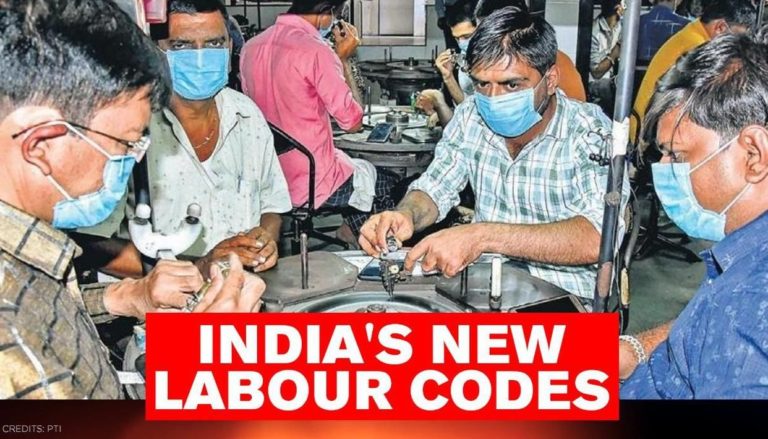
The legislations take India back to the British era when slavery was a norm, workers organisations said in a note given to MPs before the bills were tabled in the House in September.
While the economy is climbing out of the abyss, since the recovery is occurring despite an absolute worsening of the conditions of the working people relative to GDP, it will get aborted before long.

We are hurtling towards a morbid claustrophobic talibanized society, the ruins of which are too grave to be redeemed. Let us hope we soon realize that what this country needs in these times of heightened religious polarization is more of love and not hatred.
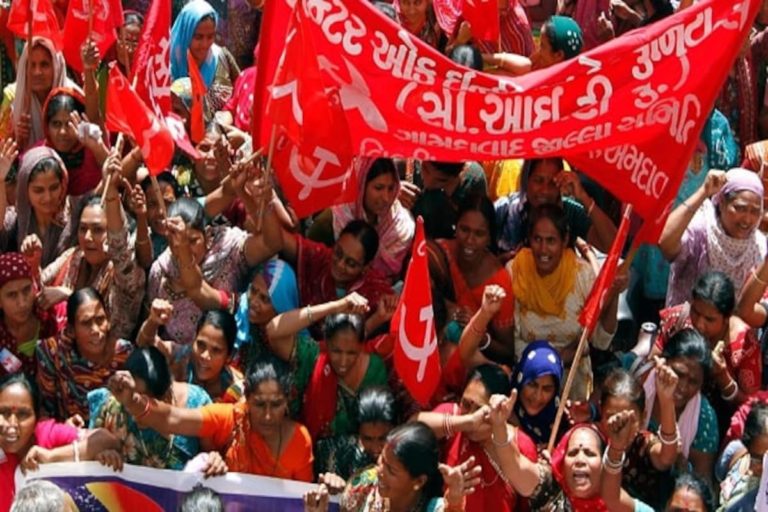
The general strike of November 26 may not only be one of the biggest and most effective strikes to have taken place in the last several years; the farmers’ march to Delhi, planned to coincide with the strike, would take this protest into hitherto uncharted territory.
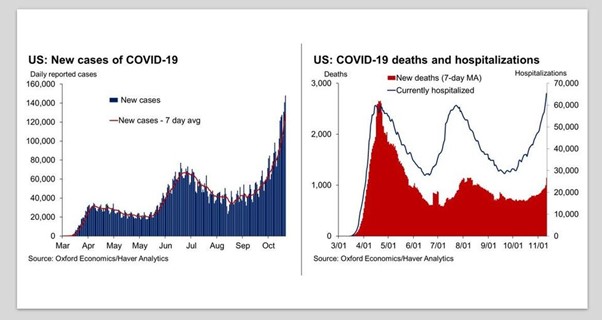
The pandemic infection rate shows no sign of even slowing. In the North, employment levels are still down and real incomes are set to fall, especially for the lower paid. For the billions in the South, the spectre of poverty, illness and exploitation will be realised.
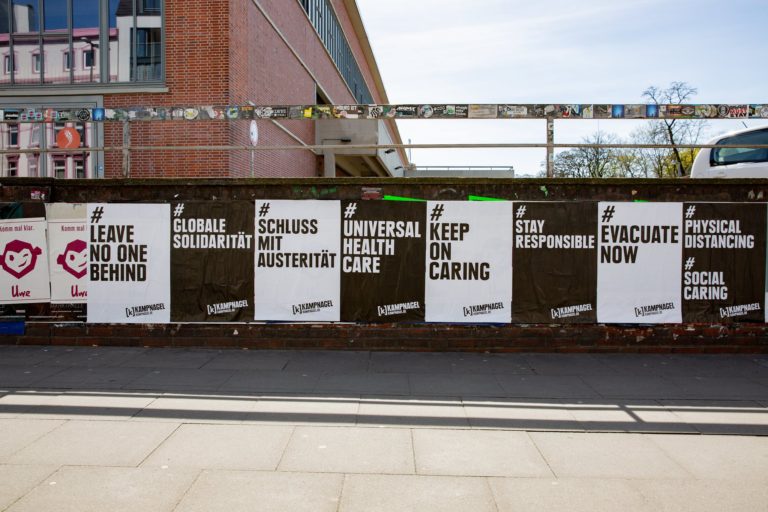
The Alma-Ata declaration affirmed health as a human right, and sanctioned government provision of universally accessible health care. Yet, during the corona pandemic, even the wealthiest countries are faced with a shortage of both human and material health resources. Why?
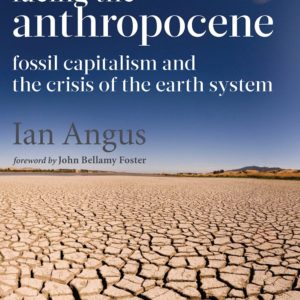
The very future of civilisation is in peril – the intervention time left for mankind is rapidly shrinking.
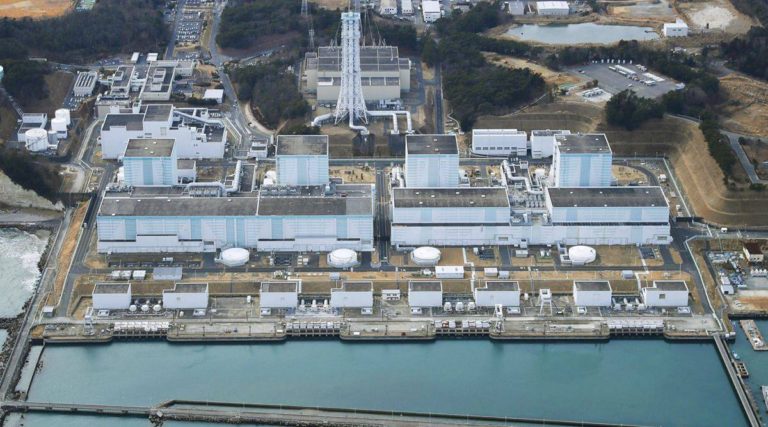
The contaminants of the massive quantities of nuclear water include radioactive isotopes such as cesium, tritium, cobalt and carbon-12 and may take from 12 to 30 years to decay.
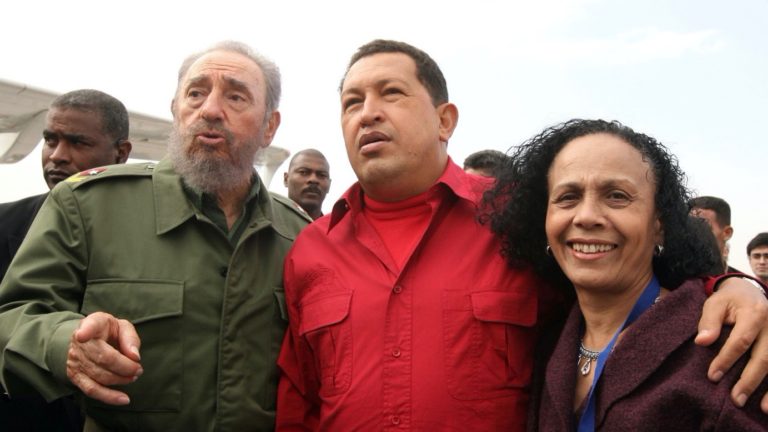
Despite the pressure from the United States and its allies, the people of Venezuela remain committed to the democratic project set in motion by Hugo Chávez. It is their participation in every aspect of the fight against the pandemic that has kept it in check.
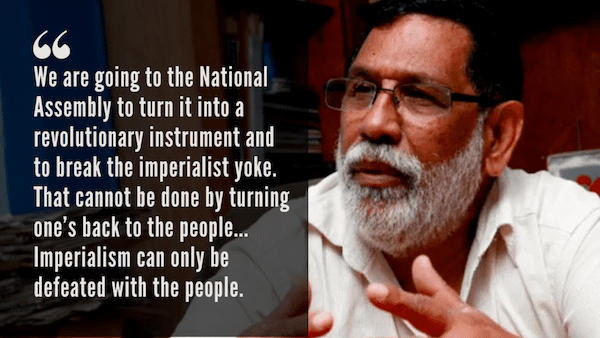
Rafael Uzcátegui, a historical figure in Venezuela’s popular movements, who was key to the forming of the Popular Revolutionary Alternative [APR], talks about the APR’s revolutionary project, while analyzing the government’s “neoliberal” turn.
Help us increase our readership.
If you are enjoying reading Janata Weekly,
DO FORWARD THE WEEKLY MAIL to your mailing list and
invite people to subscribe for FREE!