Lessons from Gramsci for Social Movements Today
From Gramsci’s political thinking and practical strategizing come a set of ideas that arguably have only grown more salient with time.
India’s oldest Socialist Weekly!
Editor: Dr. G.G. Parikh | Associate Editor: Neeraj Jain | Managing Editor: Guddi

From Gramsci’s political thinking and practical strategizing come a set of ideas that arguably have only grown more salient with time.

A look back at the history of communes and how they are supposed to be more than “appendages” of state institutions.

“I have never looked upon ease and happiness as ends in themselves – such an ethical basis I call more proper for a herd of swine”, writes the great scientist.

On violence, non-violence, and the state. Mohandas Gandhi (1969-1948) and Abdullah Öcalan (1949-) were not contemporaries; this conversation is imaginary, but it may well have taken place in one of the many worlds we inhabit.

Outraged by the appalling violence against two women in Manipur, Gujarati poet Mahashweta Jani has written a powerful poem.
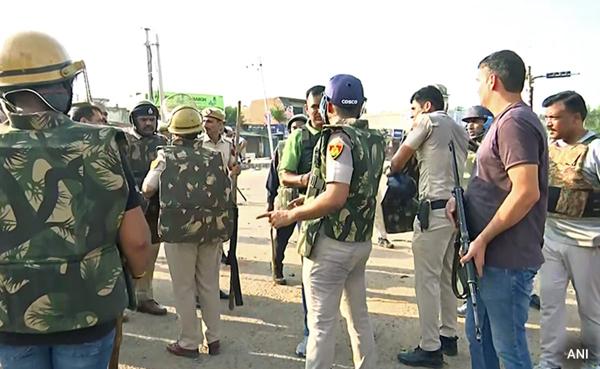
“What has happened is very wrong. It is always the poor man who ends up suffering. The people who ran these shops were Mohammedans. They have left.”

“Silence Over Manipur Lays Bare the Crisis of Indian Identity”: Peripheral states are often seen to be not really ‘Indian’ and to be held by militarised force. Also: “Double-Engine: The Union and State Government Must Answer for Manipur”.

According to Sabyasachi Das, 2019 general election data show significant irregularities, that imply that in constituencies that were closely contested between a candidate from the incumbent party and a rival, the incumbent party (BJP) won disproportionately more seats than it lost.
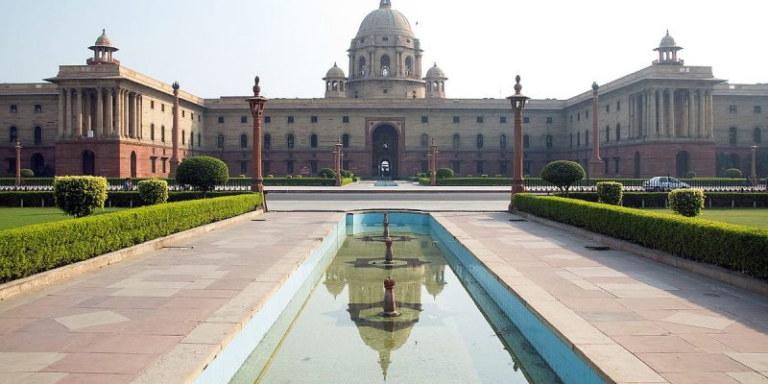
NCPRI said that it had sent a detailed analysis on the draft Bill, highlighting issues such as changes made to the RTI Act and the lack of independence of the oversight body. But the Bill continues to suffer from the same problems.

The NRF Bill, 2023 seeks to replace the publicly funded mechanism of research support to the scientific community through the Science and Engineering Board Act, 2008 with a mechanism expected to be largely directed by the funds available through corporate sector and philanthropic foundations.
Help us increase our readership.
If you are enjoying reading Janata Weekly,
DO FORWARD THE WEEKLY MAIL to your mailing list and
invite people to subscribe for FREE!