How Mondragon Became the World’s Largest Co-Op
In Spain, an industrial-sized conglomerate owned by its workers suggests an alternative future for capitalism.
India’s oldest Socialist Weekly!
Editor: Dr. G.G. Parikh | Associate Editor: Neeraj Jain | Managing Editor: Guddi
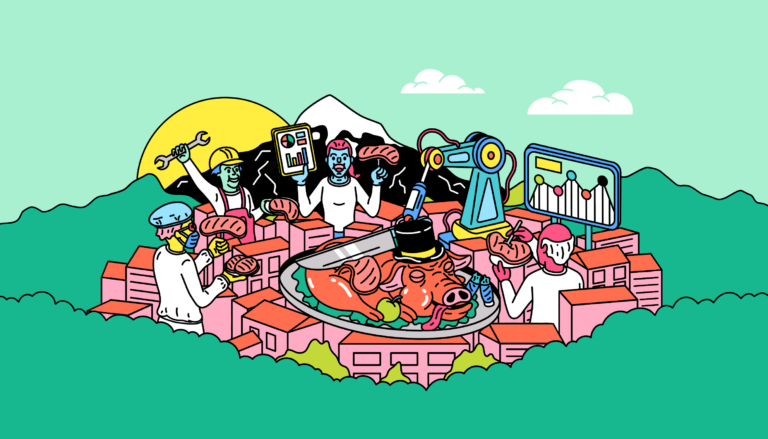
In Spain, an industrial-sized conglomerate owned by its workers suggests an alternative future for capitalism.

The Socialists had been a significant force in American politics before they were so ruthlessly crushed in the 1920s. If the Socialist Party hadn’t been so hobbled, maybe they would have pushed the mainstream parties into creating a stronger social safety net that people today take for granted in countries like Canada or Denmark.
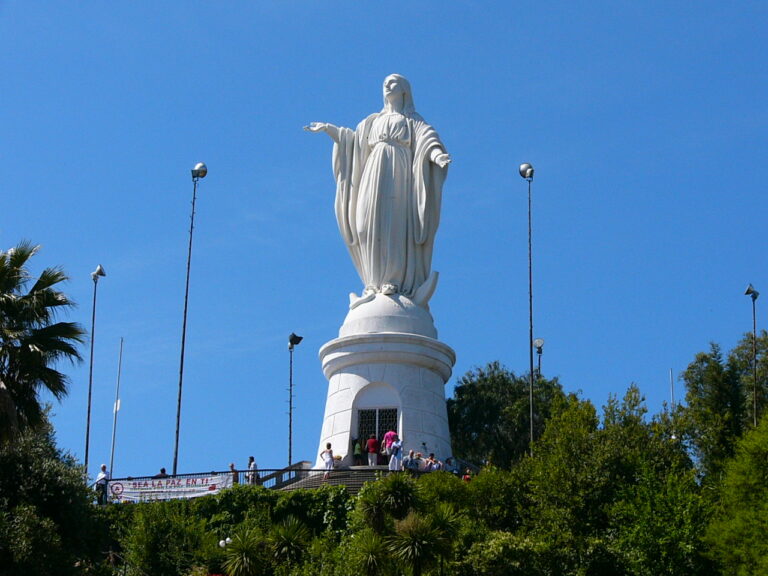
This month, through a public vote, Chileans overwhelmingly rejected a new constitution that has been described as being one of the world’s most progressive charters. The vote is particularly perplexing because public opinion had adamantly supported replacing the current Chilean constitution.

Recent data shows that between 2019 and 2021, life expectancy (LE) in the US plunged almost three years while for Cuba it edged up 0.2 years. Yet, in 1960, the year after its revolution, Cuba had a LE of 64.2 years, lower by 5.6 years than that in the US (69.8 years).
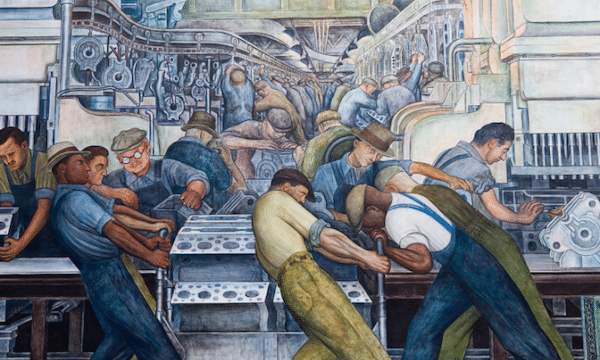
The word “exploitation” is special for Socialists. It’s the key to the Socialist argument that a revolution to end oppression won’t just require a change in the political system, but a deep transformation in the way we work.
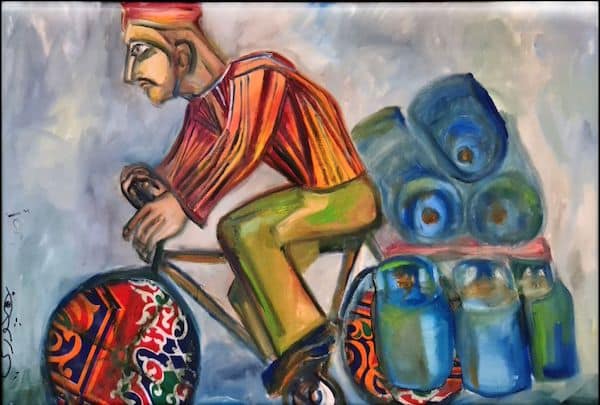
Capitalism cannot solve the climate crisis since capitalism is the principal cause of the crisis. One hundred of the world’s largest corporations are responsible for 71% of global industrial greenhouse gases; but these corporations are not prepared to accelerate the energy transition.
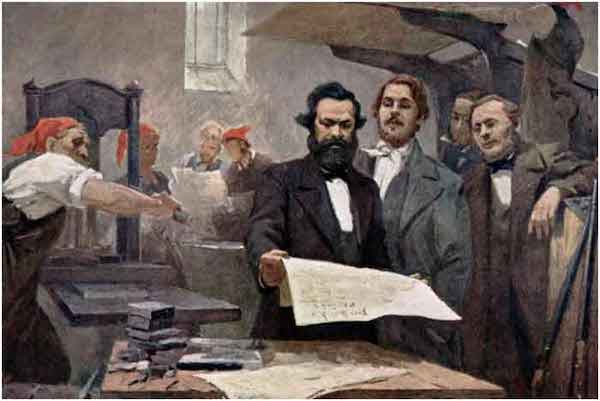
We need to understand the links between science, politics, and commercial interests. For Marxists in the late 19th and early 20th centuries, these were some of the most important questions to be addressed in their work. The cross-fertilization between Marxism and science had major implications for the development of both.

There is a fundamental interconnection between women’s struggle and class struggle. All those women’s struggles which build collective confidence among women are important to building class consciousness; and all those class struggles which seek to build the social and cultural autonomy of the working class are necessarily linked to the struggle for women’s liberation.
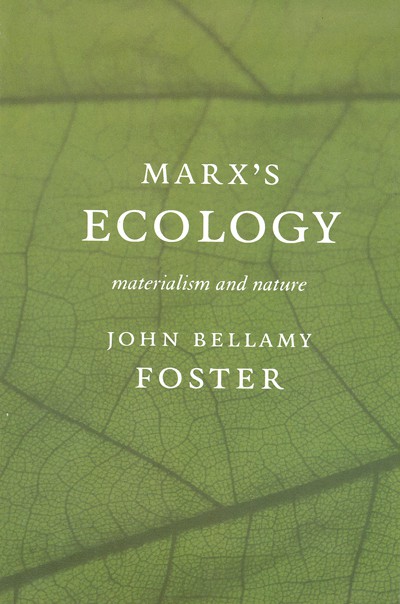
More than twenty years after the publication of Marx’s Ecology (Monthly Review Press, 2000), author John Bellamy Foster and interviewer Roberto Andrés discuss the roots of Marx’s ecological thought, from the Greek atomists to the Enlightenment to Malthus.

Marx considered “primitive accumulation” to be a misleading and erroneous concept. Understanding what he actually wrote shines light on two essential Marxist concepts: exploitation and expropriation.
Help us increase our readership.
If you are enjoying reading Janata Weekly,
DO FORWARD THE WEEKLY MAIL to your mailing list and
invite people to subscribe for FREE!