Which Hindi Do We Speak Anyway?
The battle has always been about “purifying” Hindi, stripping it of foreignness, limiting its vernacular inclusions.
India’s oldest Socialist Weekly!
Editor: Dr. G.G. Parikh | Associate Editor: Neeraj Jain | Managing Editor: Guddi
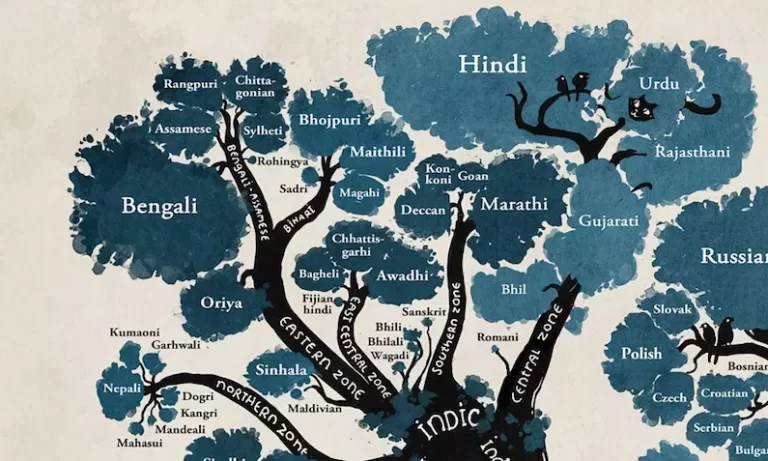
The battle has always been about “purifying” Hindi, stripping it of foreignness, limiting its vernacular inclusions.
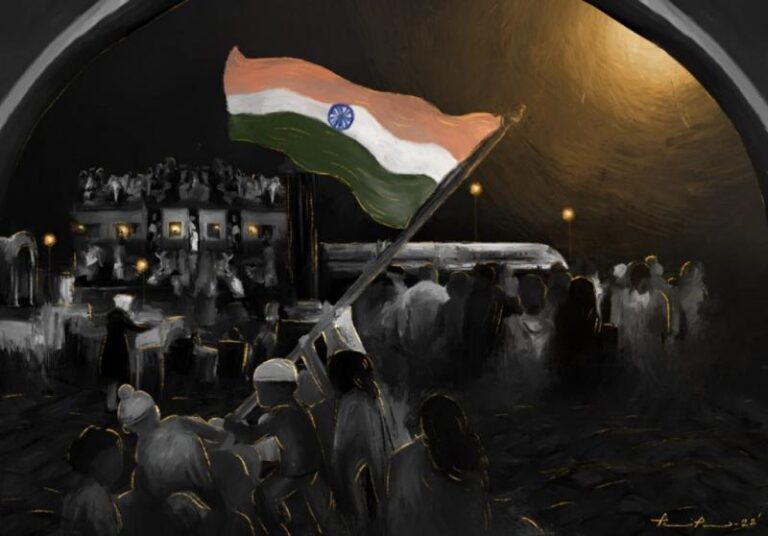
‘National Unity Cannot be Celebrated Merely as a Wartime Gimmick’. Also, ‘What Can Modi and His Supporters Learn About Secularism Following the India-Pakistan Conflict?’: What those like Colonel Sofiya Qureshi said about secularism is the opposite of the sentiments the political establishment has expressed.

According to a CSSS report, 49 out of 59 cases of communal riots took place in states where the BJP is ruling either on its own, or in coalition with other parties. Also: What kind of country is it where only Christians have to worry about attacks on Christians, and the rest of society remains deaf to their concerns?

Gandhi’s disapproval of ‘Hindu water’ and ‘Muslim water’ and superstitions and hypocrisy of sadhus on the occasion Kumbh Mela in 1915 offers lessons in the context of the 2025 Kumbh Mela. Also: Will the Ganga be able to heal or nourish anyone for very long after the Kumbh Mela?
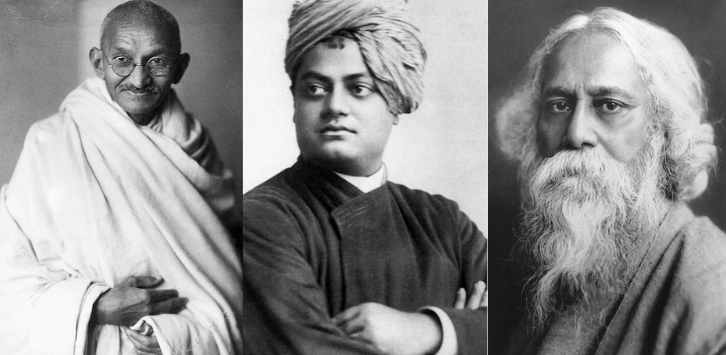
‘The January 22 Ram Temple Inauguration Is a Political Event. It’s a Crucial Test for Indian Politics’; ‘Why Congress Clearly Saying January 22 Is Part of RSS/BJP’s “Political Project” Matters’; ‘Gandhi, Vivekananda, Tagore, and Temple Consecration’.
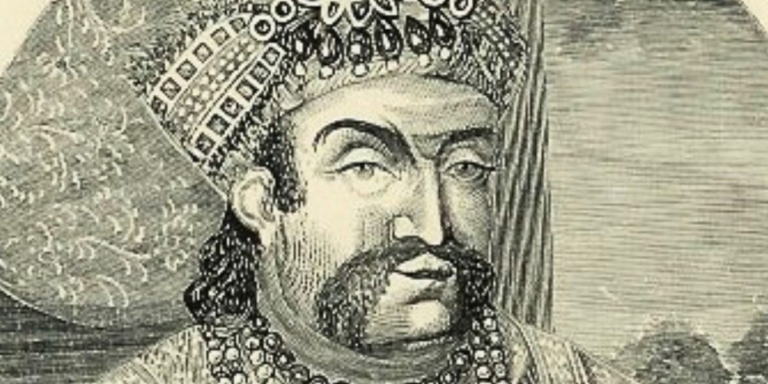
‘“That Infernal Infidel Wajid Ali Shah”: Sour Notes on the Confluence of Cultures’: Indians have celebrated the spirit and practice related to the confluence of cultures. And yet, a recent experience tells me we have managed to stray far enough. Also: ‘The Strength of India’s Religious Traditions are Spaces Where People from Different Religions Intermix’.
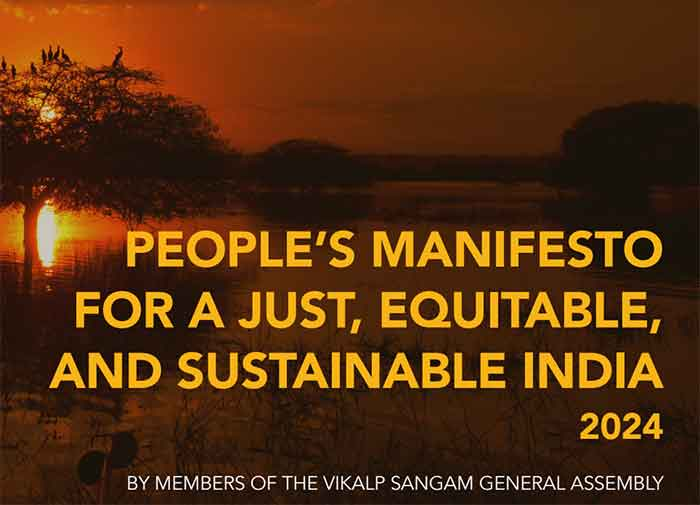
21 demands that India needs to act on to resolve the growing crises of unemployment, malnutrition, social conflict, ecological collapse and decline in democratic rights.
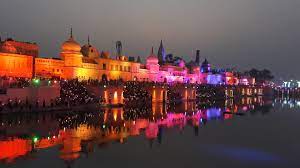
Ayodhya’s cultural identity is shaped by its diverse historical influences, including Muslim, Buddhist, and Jain traditions, alongside its Hindu heritage. As Ayodhya takes on a unipolar identity, fuelled by Hindutva, it is feared that its syncretic heritage will suffer neglect.
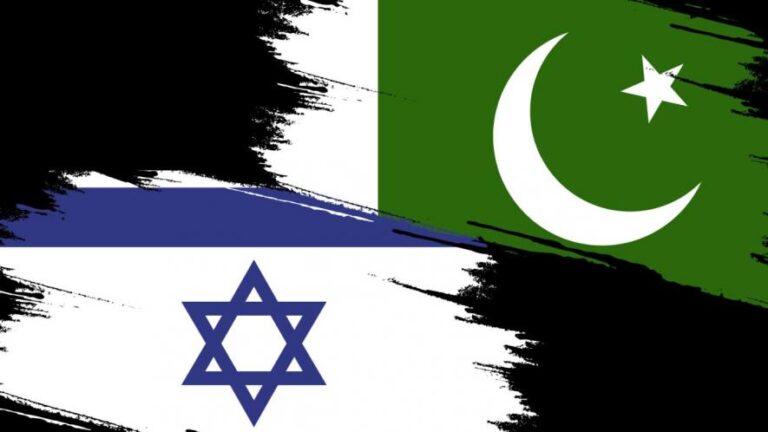
Pakistan failed to develop into a bourgeois nation state, and Israel has no intention of becoming one.
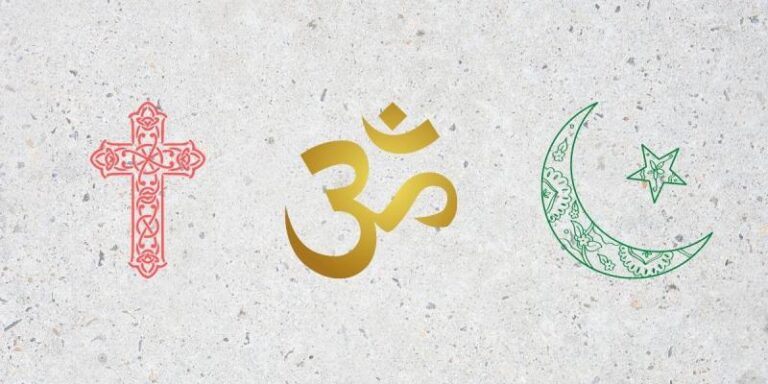
Temples and churches hosting Iftar parties and Nabi Dinam, blending of the azaan with temple bells, Muslims helping Hindu families – all these instances add to the state’s already rich traditions. Also, review of a film, Innu Swantham Sreedharan (Yours Truly, Sreedharan).
Help us increase our readership.
If you are enjoying reading Janata Weekly,
DO FORWARD THE WEEKLY MAIL to your mailing list and
invite people to subscribe for FREE!