Inequality in Land Ownership and Flawed Land Reforms
Today India produces 34.6 crore tons of food grains and 30 crore litres of milk thanks to the hard work of our farmers. Yet, Indian farmer families are highly indebted and distressed.
India’s oldest Socialist Weekly!
Editor: Dr. G.G. Parikh | Associate Editor: Neeraj Jain | Managing Editor: Guddi
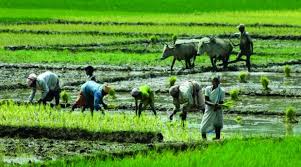
Today India produces 34.6 crore tons of food grains and 30 crore litres of milk thanks to the hard work of our farmers. Yet, Indian farmer families are highly indebted and distressed.
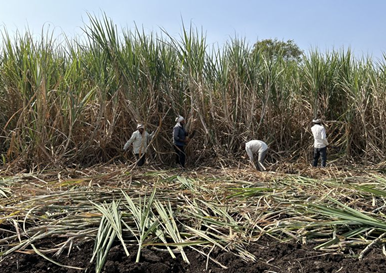
“The Deadly Toll of Sugar on Marathwada’s Soil”: The water-thirsty crop is on the rise even in dry regions such as Marathwada at the cost of its soil and people’s health. Also: “Wombless Women and Bloody Sugar”.
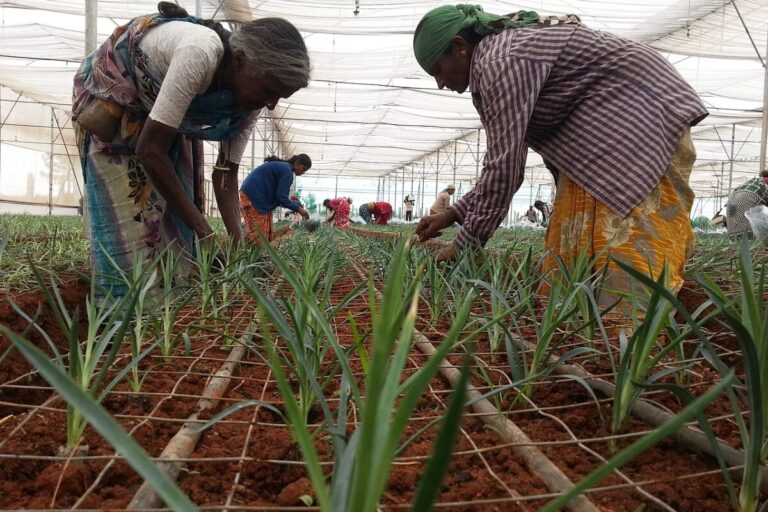
Women now form 42% of India’s farm workforce but lack recognition, rights and decision-making power. Systemic barriers exclude women from access to seeds, training, tech, credit and timely information.
‘Why Tariff Parleys With US Will Hurt Indian Farmers’: The net outcome will be a cut in Indian tariff rates vis-à-vis US goods, which will mean lowering of MSP for foodgrains and the entry of heavily subsidised American grains into India. Also: ‘WTO’s Rulebook is a Blow to Indian Farmers – It Favours the Rich and Punishes the Poor’.
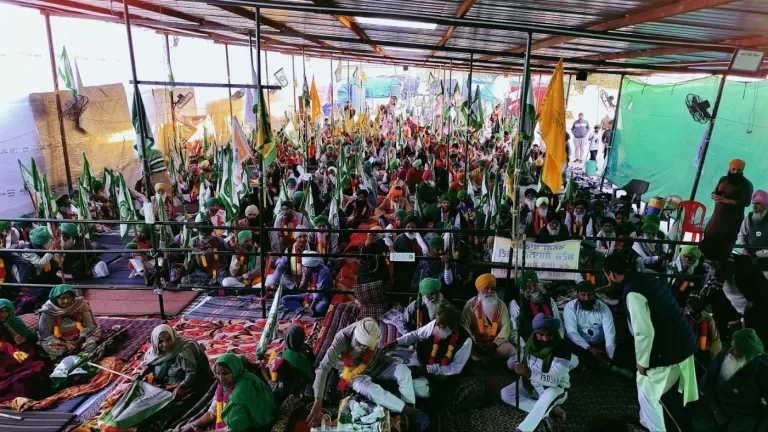
In Punjab, the Aam Aadmi Party government’s shift from ally to adversary in the farmers’ struggle reflects deeper faultlines in India’s agrarian policy and political landscape. India’s agrarian distress is unresolved even though the performance of the agriculture sector has been buoyant.

In a recent speech, PM Modi stated that agriculture is at the centre of India’s economic policy. He also highlighted the initiatives being taken by his government in promoting natural and climate-resilient farming. We examine these claims in the context of the eleven budgets presented by the Modi government since 2014.
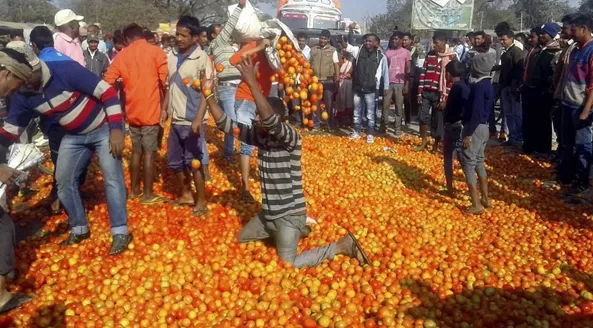
The corporate hijack of agriculture, achieved by predatory commercialisation of the countryside, is India’s actual agrarian crisis.

Farmers from Punjab have protested at the Khanauri and Shambhu borders since February 2024, demanding legally guaranteed minimum support prices for crops. Agitation has intensified with Jagjit Singh Dallewal’s fast-unto-death and three farmer suicides, as the Centre maintains its wait-and-watch policy.
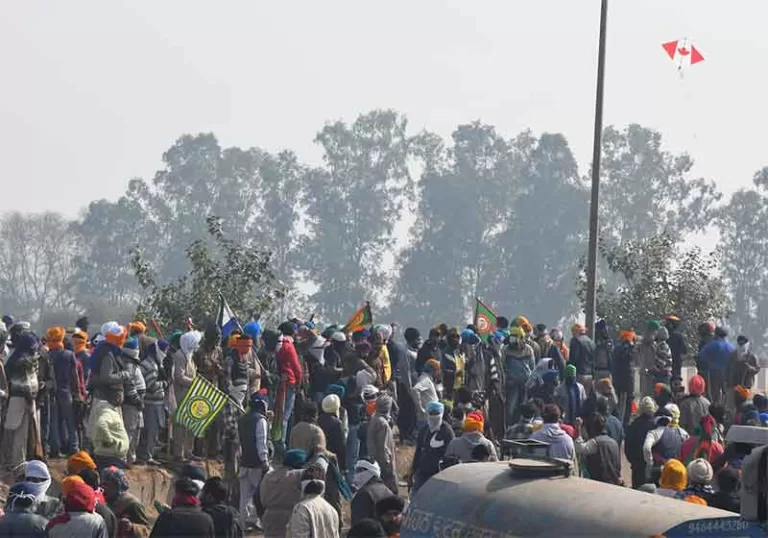
The Samyukta Kisan Morcha (SKM), a coalition of 40+ farmers’ unions, contends that the Centre is proposing to undermine the federal rights of state governments by surrendering India’s food security and compromising its national sovereignty under the slogan ‘One Nation, One Market’.
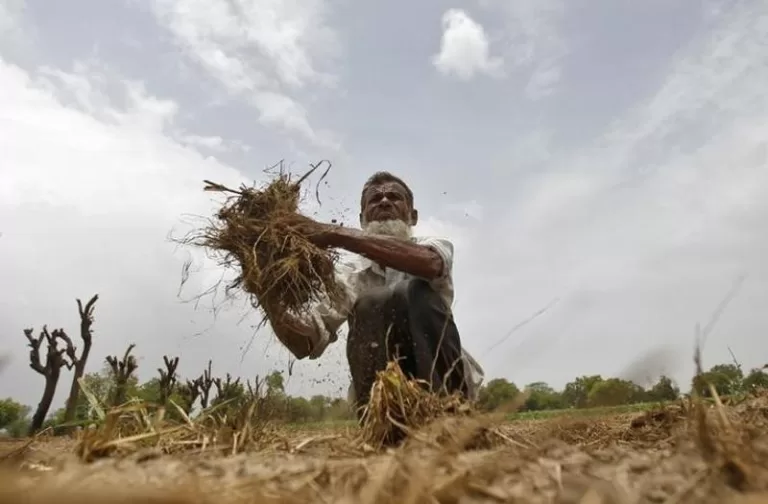
The recently released report from the MoSPI provides some estimates of how the value of agricultural output has changed since 2011-12. The broad national picture of both agricultural output and specifically crop output should be worrying for anyone concerned with the Indian economy and the fate of its people.
Help us increase our readership.
If you are enjoying reading Janata Weekly,
DO FORWARD THE WEEKLY MAIL to your mailing list and
invite people to subscribe for FREE!