Development That Kills: The Political Economy of Workplace Deaths
Today, workplaces are truly turning into killing fields. As long as development means profit and workers are treated as fuel, these killing fields will continue to operate.
India’s oldest Socialist Weekly!
Editor: Dr. G.G. Parikh | Associate Editor: Neeraj Jain | Managing Editor: Guddi

Today, workplaces are truly turning into killing fields. As long as development means profit and workers are treated as fuel, these killing fields will continue to operate.
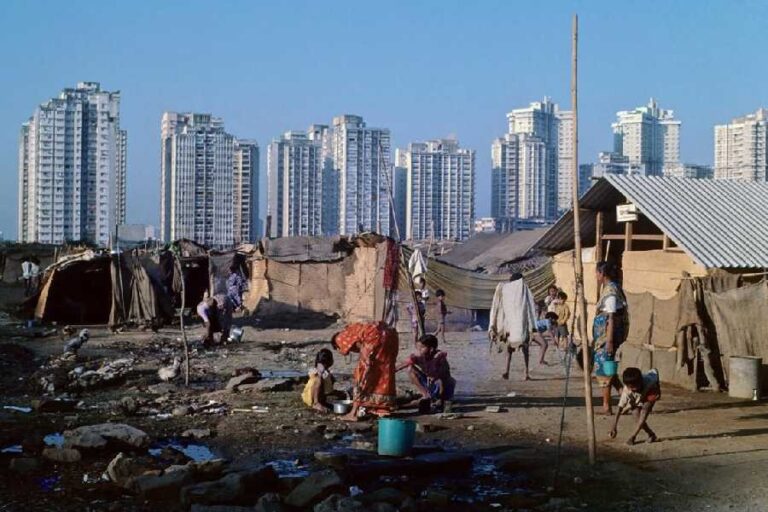
‘The Hidden Cost of India’s Economic Boom: Inequality at Historic High, as Wealth and Income Growth Leave Out Millions’; ‘G20 Report Says Top 1% Indians Grew Richer by 62% in 2000–23’; ‘World Bank Miracle: How to Show Rising Poverty as Declining!’; ‘India’s Wealth Gap Grows and Average Wealth Falls, But Millionaires Surge’.
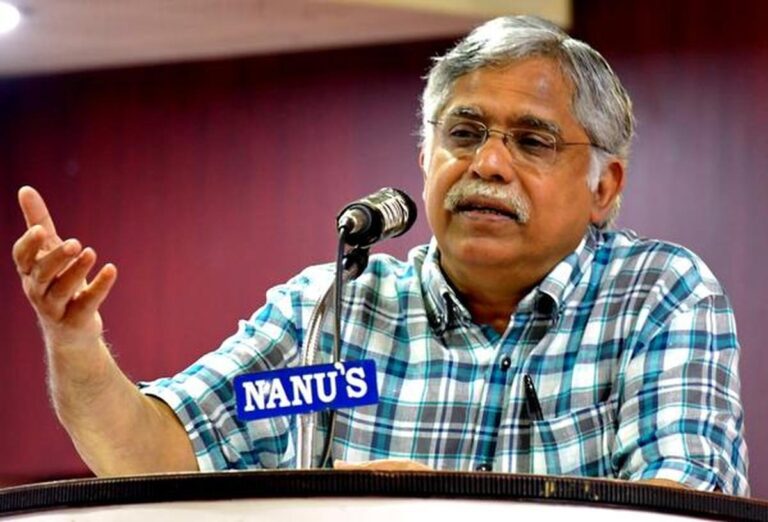
The Centre’s push for PSB consolidation and foreign investment prioritises bank profitability over financial inclusivity.

Migrant workers fuel India’s growth yet remain excluded from its rewards. Policy silences and regional inequalities sustain their exploitation, and caste hierarchies have been reconfigured within neoliberal urban economies to normalise their exclusion from the nation’s systems.

‘Legislating the Platform Economy: A Win for Some, Silence for Others’: The new wave of ‘gig’ legislation in India is a welcome development, but it also underscores how uneven India’s social protection architecture remains. Also: ‘The Political Economy of Gig Pensions’.

‘India’s Cotton Conundrum: When Policy Turns Farmers Into Casualties’: India’s cotton crisis is not inevitable. It is political. And it demands urgent course correction. Also: ‘By Ending Import Duty on Cotton Amid US Pressure, Modi Govt is Sacrificing the Interests of Indian Farmers’; and: ‘AIKS Calls Upon Farmers to Protest Decision to Scrap 11% Import Duty on Raw Cotton’.

The Government proposes to reduce the rates of GST. This is a tacit admission that the low consumption levels of the people are the underlying cause of the slump in the economy. However, the manner in which this rate reduction is being carried out will not boost aggregate demand, but in fact slightly dampen it further.

If urban modernity is built on denial of dignity to those who clean it, then what kind of progress is it?

‘Tracing the Evolution of India’s Labour Laws’; ‘Why the New Labour Codes Do Little for Indian Workers’: The new labour codes – which merged 29 existing laws – primarily apply to the formal sector, leaving the vast majority of the Indian workforce outside its ambit.

With the aggravating effects of neoliberalism and Hindutva fascism, labour rights in India, which are a reflection of citizenship itself, have been systematically diluted through protective legislation, the criminalisation of protests and strikes, the informalisation of work, and attacks on unionisation – notably through the new labour codes.
Help us increase our readership.
If you are enjoying reading Janata Weekly,
DO FORWARD THE WEEKLY MAIL to your mailing list and
invite people to subscribe for FREE!