The War on Iran, and India
What are the implications for India of the US-Israel attack on Iran? To understand this, we need to place this development in the context of the present world situation, and India’s political economy within that.
India’s oldest Socialist Weekly!
Editor: Dr. G.G. Parikh | Associate Editor: Neeraj Jain | Managing Editor: Guddi

What are the implications for India of the US-Israel attack on Iran? To understand this, we need to place this development in the context of the present world situation, and India’s political economy within that.

By keeping cess and surcharge outside the divisible pool and ending State-specific grants, the Finance Commission sided with the Centre’s Machiavellian moves, tightening fiscal federalism in ways that may weaken the Union.
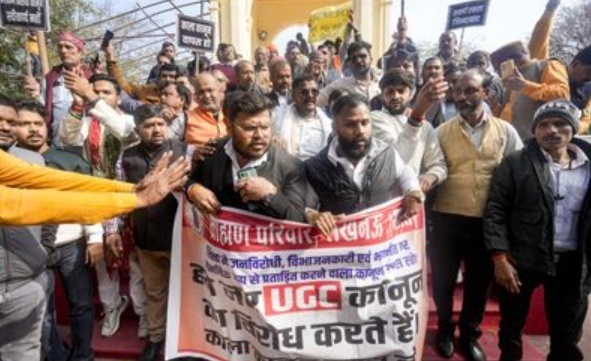
‘Is No One in India Jobless After They Turn 30? Data Has the Answer’; ‘Why Skilling Alone Will Not Solve India’s Employment Problem’: The Union Budget should have prioritised development expenditure which is employment creating in nature.
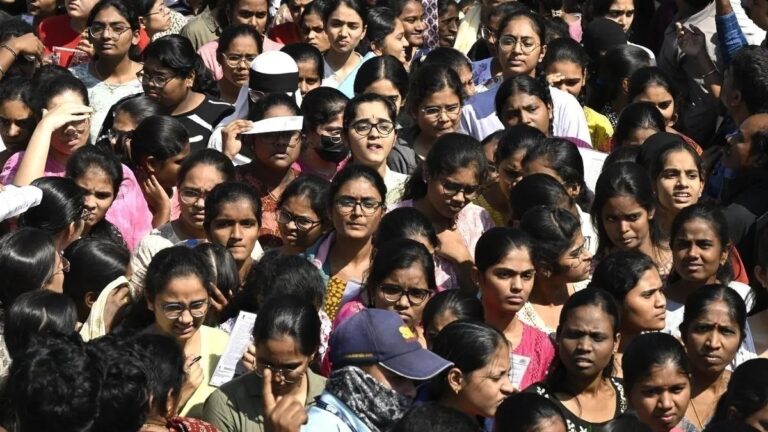
When growth numbers flatter power, hide job scarcity, and mute rising costs, bad data stops disciplining policy and democracy pays a hefty price, writes the famed economist professor.

‘The Supreme Court’s Remarks on Trade Unions Are Not in Conformity with the Constitution’; ‘Domestic Workers, Women’s Labour, and the Language of the Courts’; ‘Incinerated in the Name of Growth: The Price of India’s War on Trade Unions’.
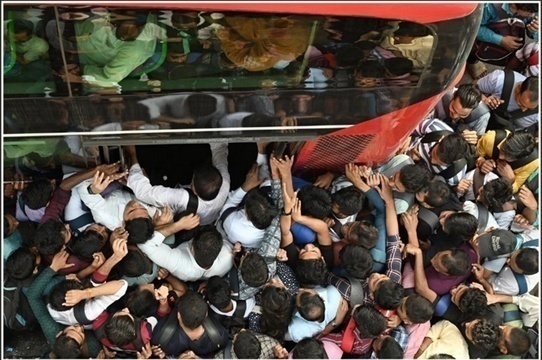
Mumbai’s public bus transport, the Brihanmumbai Electric Supply and Transport (BEST), once considered a model for bus services in the country, is now in complete shambles. Yet this situation was foreseen and was publicly warned against more than seven years ago, when the authorities took the fatal decision to privatise BEST’s core operations.
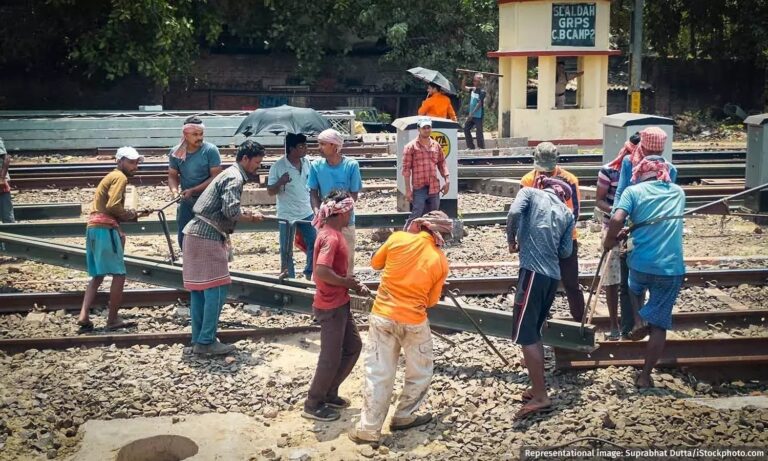
Despite high-speed trains and higher safety spending, Indian Railways continue to battle chronic delays. Data and experts point to aging infrastructure, poor maintenance, and congestion.

The State Is Withdrawing from Protecting Unorganised Workers’; ‘“The Doorbell Is Not the Problem”: Why Government Regulation Is Necessary for the Gig Work Sector’; ‘What the State and Start-Up Ecosystem’s Celebration of India’s Gig Economy Tells Us About the Precarious Future of Work’.

Today, workplaces are truly turning into killing fields. As long as development means profit and workers are treated as fuel, these killing fields will continue to operate.

‘How the Murder of Trade Union Leader Shankar Guha Niyogi Hurt India’: He was killed in 1991 by thugs hired by businessmen angered that he had given workers self-respect and infused them with the spirit of equality. Also: ‘Remembering Visionary Trade Unionist Shankar Guha Niyogi: Labour’s Unfinished Struggle in Neoliberal India’.
Help us increase our readership.
If you are enjoying reading Janata Weekly,
DO FORWARD THE WEEKLY MAIL to your mailing list and
invite people to subscribe for FREE!