Faux Welfare
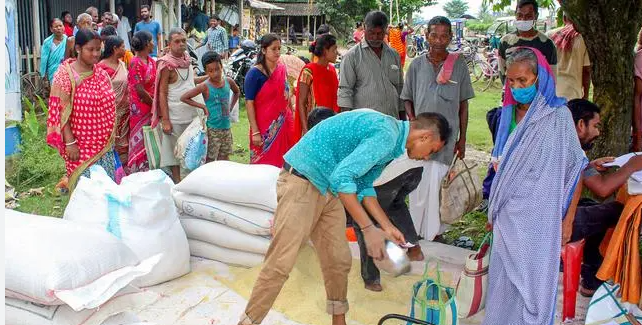
India has replaced genuine welfare—education, health, justice, and environmental care—with short-term handouts that buy loyalty but stunt progress.

India’s oldest Socialist Weekly!
Editor: Dr. G.G. Parikh | Associate Editor: Neeraj Jain | Managing Editor: Guddi
India has replaced genuine welfare—education, health, justice, and environmental care—with short-term handouts that buy loyalty but stunt progress.
Nearly four years after India’s historic year-long farmers’ protests forced the repeal of three pro-corporate farm laws, it is clear that the government’s underlying agenda of corporatisation (recolonisation) is being advanced through bureaucratic schemes, digital agriculture partnerships and policy frameworks in the name of promoting ‘efficiency’ and ‘modernisation’.
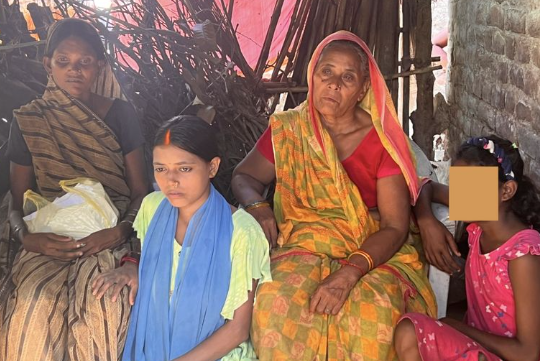
‘Micro Loans are Driving an Already Forsaken Population Further Into Distress’: Despite the fact that the poor today are cash starved and are desperate for loans to make their ends meet, our credit apparatus and banking system seem to have forsaken them. Also: ‘Debts to Death: How Microfinance Companies are Crushing the Poor in Bihar’.
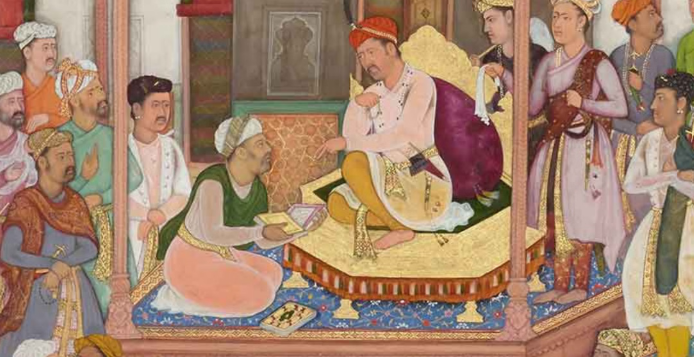
Akbar practiced what he preached. His appreciation of Hinduism and other non-Islamic religions was evident as much in his statesmanship as in his personal belief and behaviour. Also, extract from: ‘Why Akbar’s Legacy Matters’.
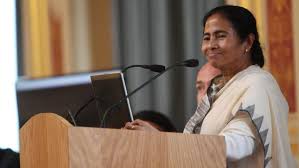
‘Dear Didi, It’s Not Night That Endangers Women’: Most women are assaulted within their homes by people they know, so why curse the darkness? Also: ‘Izzat has No Daughters: How Women Pay the Price of Honour’: Izzat in its truest form is not a weapon but compassion.
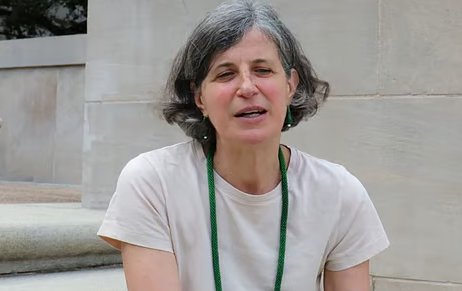
‘Stopping Francesca Orsini from Entering India is an Insult to the Very Concept and Culture of Knowledge’. Also: ‘How Hindi Scholar Francesca Orsini’s Work Illuminates India’s Language Politics – Past and Present’; and: ‘What does Francesca Orsini’s Scholarly Work Say? Five Former Students Explain What They Have Learnt’.
A conversation with Harinder Baweja, one of India’s most widely respected journalists. In this conversation, she reflects on the fading ethos of fearless journalism, and how politics, ideology and apathy have together imperilled India’s secular promise.
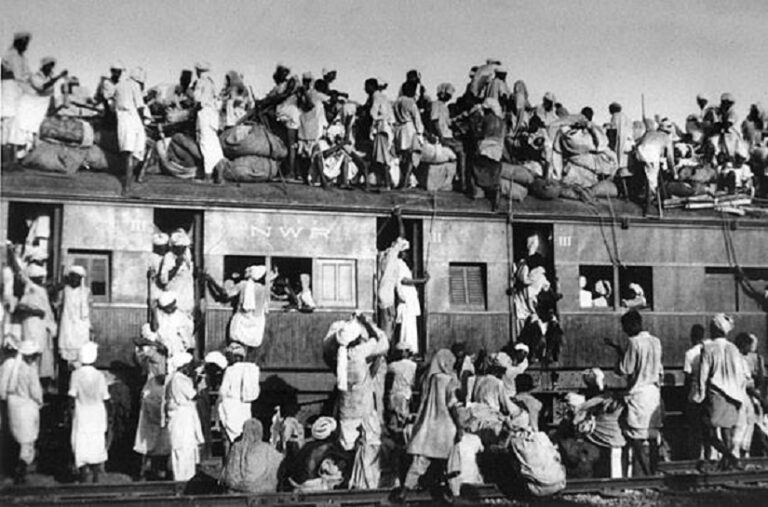
What is to be regretted is not just Partition but the long-term British colonial policies which led to a situation where a people who had lived together for centuries got divided politically on the basis of their religion.
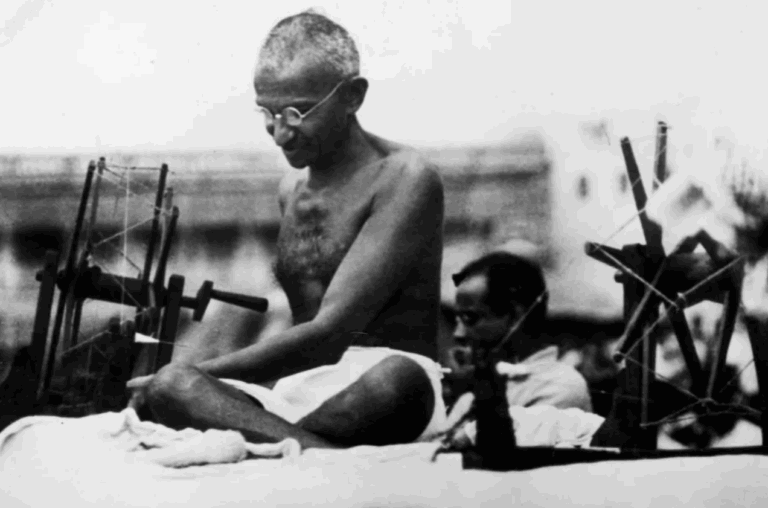
Mahatma Gandhi saw justice and equity as indivisible from non-violence, linking mass politics with social reconstruction. Though often dismissed, his focus on khadi highlights democracy’s deeper task—building a non-violent social order by addressing enduring inequities through steady work.
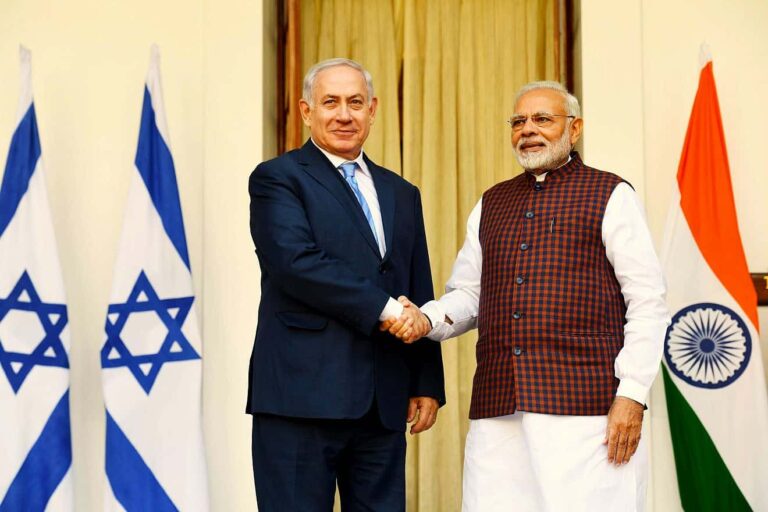
A report prepared by the advocacy group Centre for Financial Accountability focuses on top Indian business giants as well as public sector undertakings and their defence ties with Israeli defence firms—stating that India accounts for nearly 45% of Israel’s total arms exports.
Help us increase our readership.
If you are enjoying reading Janata Weekly,
DO FORWARD THE WEEKLY MAIL to your mailing list and
invite people to subscribe for FREE!