In Malerkotla, One Can Find the Vestiges of India’s Forgotten History of Tolerance
The senseless and relentless march of violence has made us forget who we are and how we have lived, worked and prayed together for centuries.
India’s oldest Socialist Weekly!
Editor: Dr. G.G. Parikh | Associate Editor: Neeraj Jain | Managing Editor: Guddi
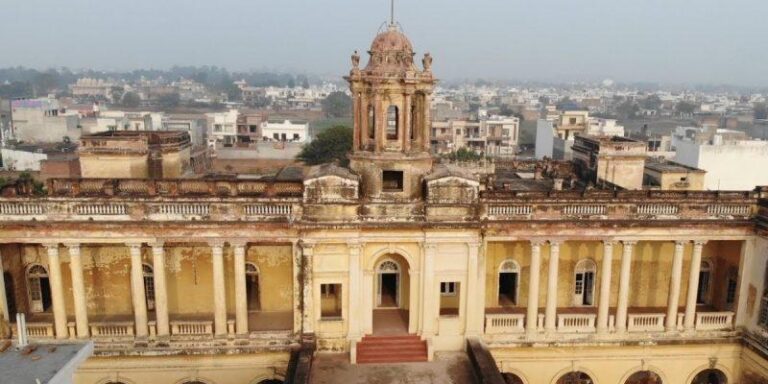
The senseless and relentless march of violence has made us forget who we are and how we have lived, worked and prayed together for centuries.

In 1921, Bengal witnessed the foundation of two universities: Visva Bharati and Dacca. The early years of the institutions give us a portrait of two unique models of education, learning, and pedagogy.

Dostoevsky’s books – with their unique mix of dark comedy and pathos – are notoriously gloomy. Yet they can be oddly uplifting. In them he tested the very limits of human freedom: in prison he bore witness to the darkest sides of human nature; in his later years in freedom he agonised over our natural dogmatism and self-destructiveness.
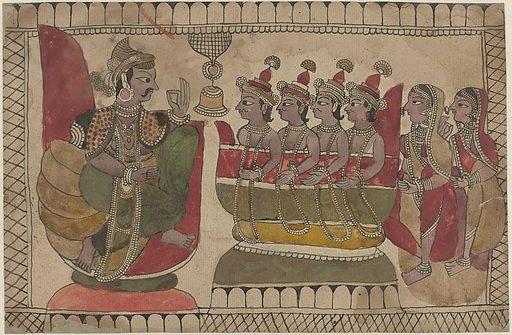
Like the subversiveness of the epic, Devy’s Mahabharata is responding to our contemporary crisis in a schizophrenic India that continues to be fed by Hindutva pride: to offer a corrective text in the times of mass euphoria as to what Bharat has to be.
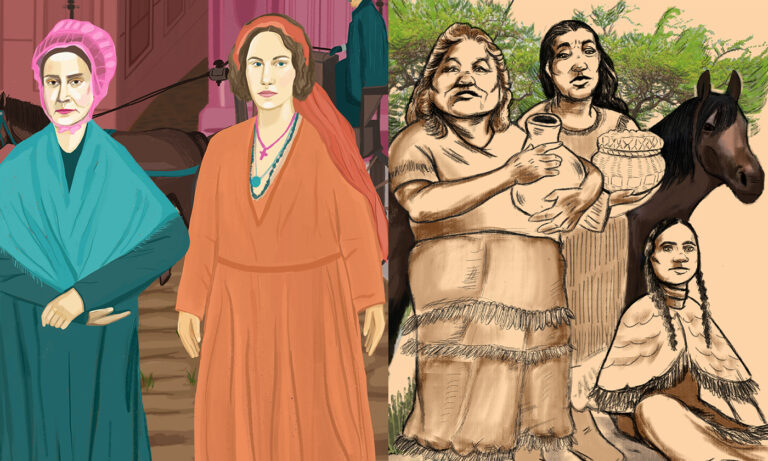
The author describes how White leaders of the women’s suffrage movement were influenced by Indigenous political structures and culture, and how some of this influence took place around Seneca Falls in upstate New York, site of the first U.S. convention for women’s rights.
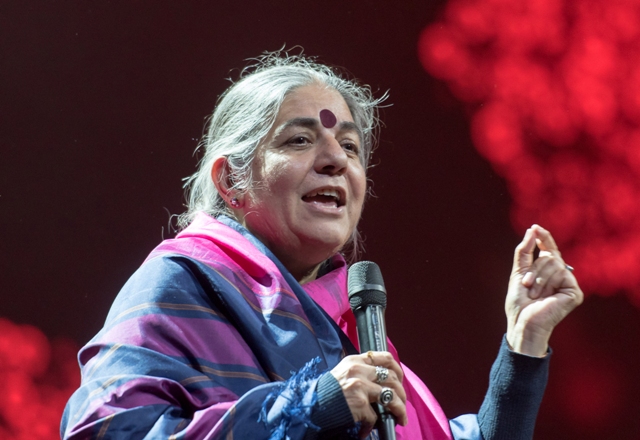
Physicist, ecologist and prolific author Vandana Shiva discusses her new book, which identifies a new form of colonialism turning us away from each other and the Earth.
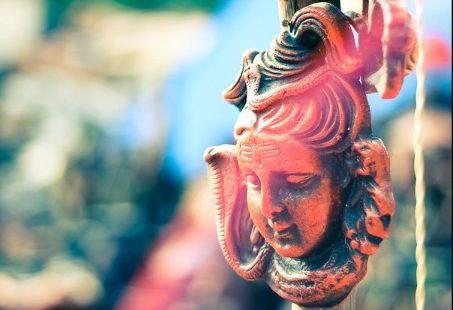
At a time when Hindu deities and traditions are being weaponised by the intertwined forces of Hindutva and caste oppression, these forms of Shiva offer us an alternative vision of peace and justice for all.

The Sahitya Akademi award winning Bengali novelist’s works have been translated into several languages including English, Hindi, Malayalam, Gujarati, French and Spanish.
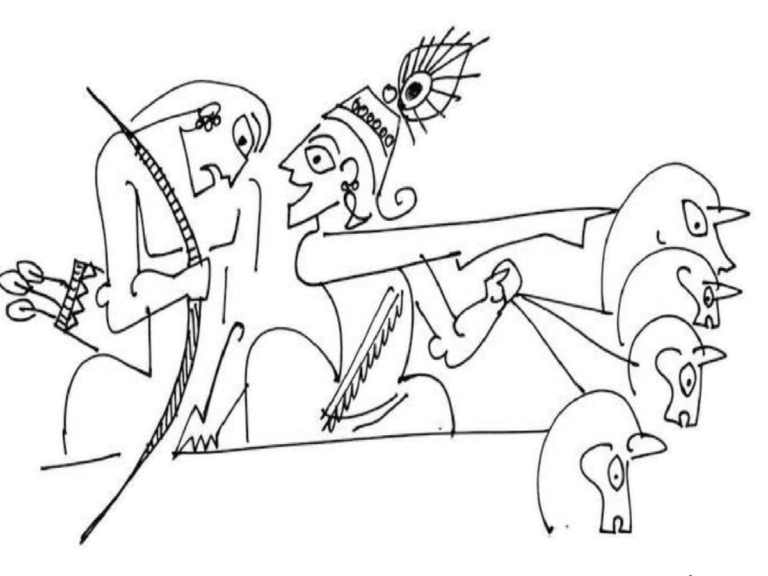
Gandhi famously argued that Bhagavad Gita needs to be seen as a metaphor of internal war, and has nothing to do with violence. Western scholars argue that the book promotes violence. To understand this contradictory view, we need to examine what is the problem to which Krishna offers a solution.
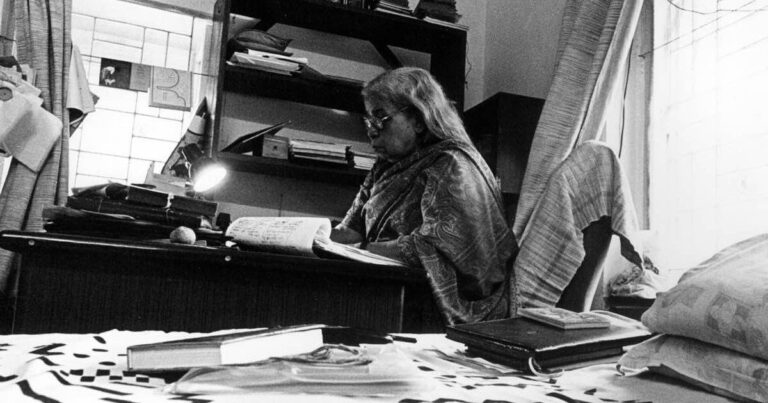
An excerpt from ‘Our Santiniketan’ by Mahasweta Devi, the famous writer and activist, translated from Bengali by Radha Chakravarty.
Help us increase our readership.
If you are enjoying reading Janata Weekly,
DO FORWARD THE WEEKLY MAIL to your mailing list and
invite people to subscribe for FREE!