It’s Time to Call it What it Is: a Capitalism-Induced Ecological Crisis
Capitalism as an economic system requires constant growth, constant profit, and endless extraction in order to achieve profit.
India’s oldest Socialist Weekly!
Editor: Dr. G.G. Parikh | Associate Editor: Neeraj Jain | Managing Editor: Guddi

Capitalism as an economic system requires constant growth, constant profit, and endless extraction in order to achieve profit.
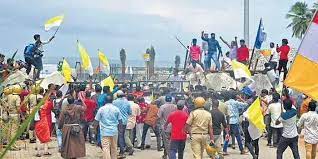
The historical agitation by the coastal people of Trivandrum has crossed 120 days. The people are demanding that construction of the harbour be stopped and the destruction it has already caused to the coast be enquired into by an expert committee acceptable to fish workers also.
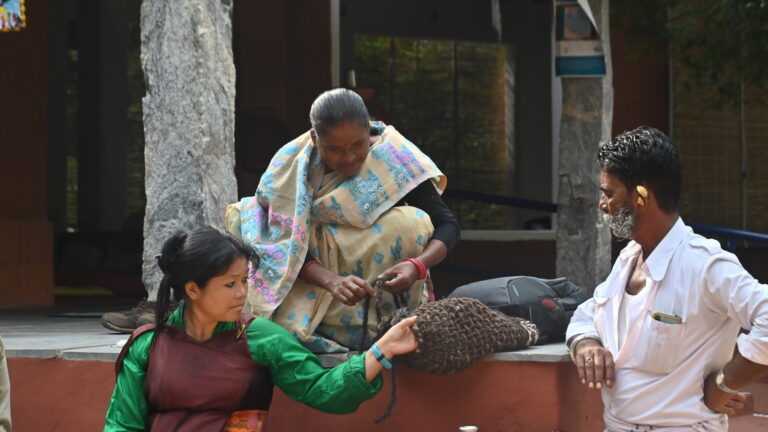
If the so-called ‘educated’, urban, modern world is to have any hope of making peace with the earth, it has to listen to the cosmologies and ways of life of indigenous cultures. It has to at least respect, if not re-learn, how to view itself as a part of nature.
Should the UN stop holding annual COP “Conference of the Parties” climate change meetings? For 30 years, following each COP meeting, CO2 emissions have climbed higher than the year before. That’s thirty years of failure to slow emissions by even a teeny bit. It’s starting to get embarrassing.

The imperialist powers rush towards the abyss. There are no proposals before the Sharm el-Sheikh summit to change direction. On the contrary, the completely inadequate decisions from previous world climate conferences have been largely abandoned since they were adopted.
This article addresses two issues. One, the shift from coal to natural gas as a transition fuel, and the other is the challenge of storing electricity, without which we cannot shift to renewable energy.
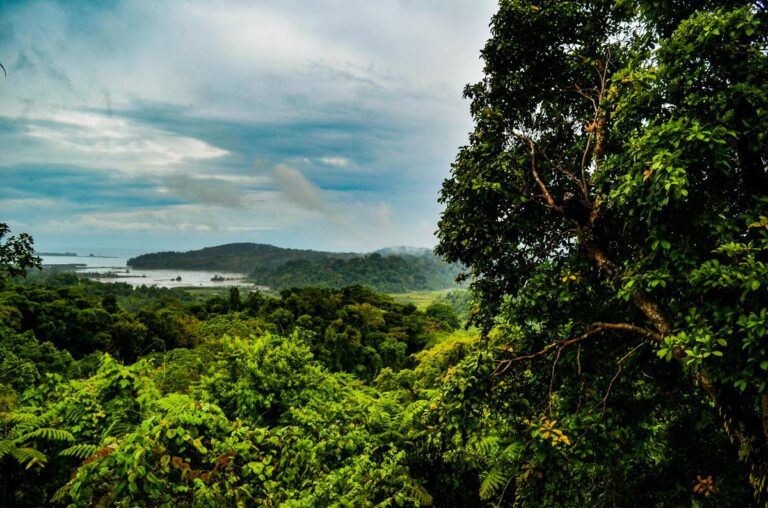
It will result in devastating ecological changes and endanger the island’s unique flora and fauna.
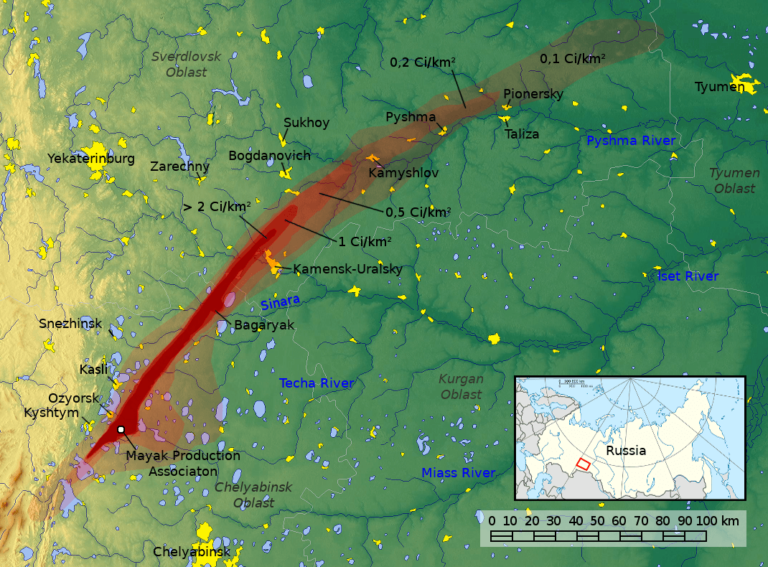
The accident at Mayak in 1957 was measured as a Level 6 disaster on the International Nuclear Event Scale, which places the Kyshtym disaster behind Chernobyl and Fukushima (both Level 7s) as the third-most significant nuclear disaster ever. It is certainly the least well-known.
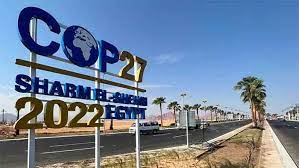
As tens of thousands of delegates descend on Egypt from all over the world for the global climate meeting, the Egyptian journalist talks about the state of Egypt today, including the situation of political prisoners, and how he expects the Egyptian government will act with the eyes of the world upon it.
Four billion people — almost two thirds of the world’s population — experience severe water scarcity for at least one month each year.
Help us increase our readership.
If you are enjoying reading Janata Weekly,
DO FORWARD THE WEEKLY MAIL to your mailing list and
invite people to subscribe for FREE!