The Global South Births a New Game-Changing Payment System
Challenging the western monetary system, the Eurasia Economic Union is leading the Global South toward a new common payment system to bypass the US Dollar.
India’s oldest Socialist Weekly!
Editor: Dr. G.G. Parikh | Associate Editor: Neeraj Jain | Managing Editor: Guddi
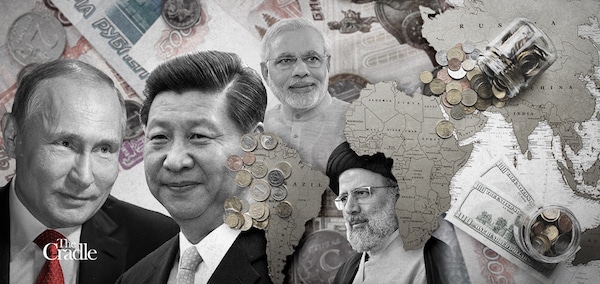
Challenging the western monetary system, the Eurasia Economic Union is leading the Global South toward a new common payment system to bypass the US Dollar.

In late October, rumours about mass infections of COVID-19 led to workers at the Foxconn factory in Zhengzhou jumping over factory walls to escape and head home. Eli Friedman talks about the history of Foxconn’s treatment of workers in China, and says that the exodus is a form of collective action in the absence of independent unions.
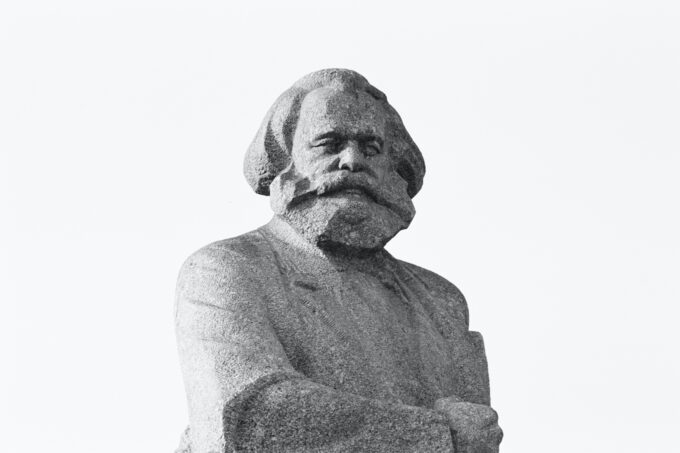
The message from the recent Congress of the Communist Party of China is continuation of ongoing restructuring of the economy toward capitalism, albeit on Chinese terms and keeping the “commanding heights” of the economy in state hands.
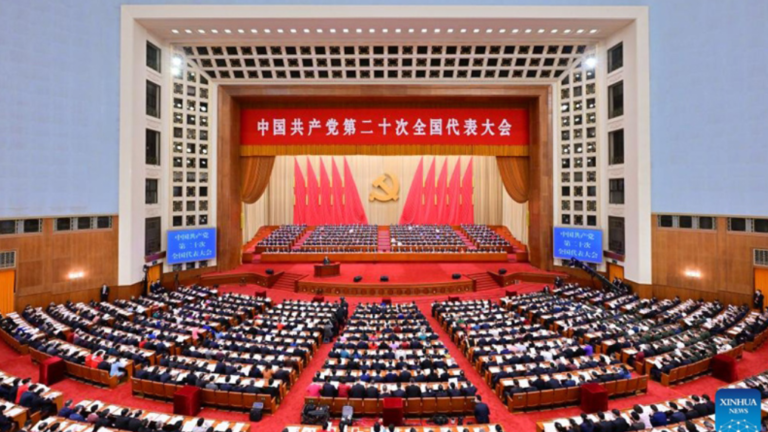
One of the main themes of the congress this year was “rejuvenation” of the country through “a Chinese path to modernization.” In his report to the congress, Xi Jinping, the CPC’s general secretary, sketched out the way forward to build China “into a modern socialist country.”
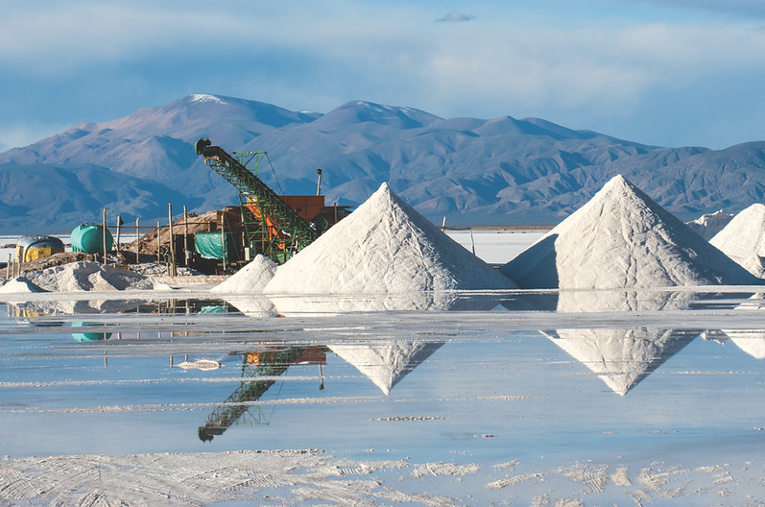
Trying to simply recreate a green equivalent of our present world, vehicle by vehicle, could prove but another formula for disaster.
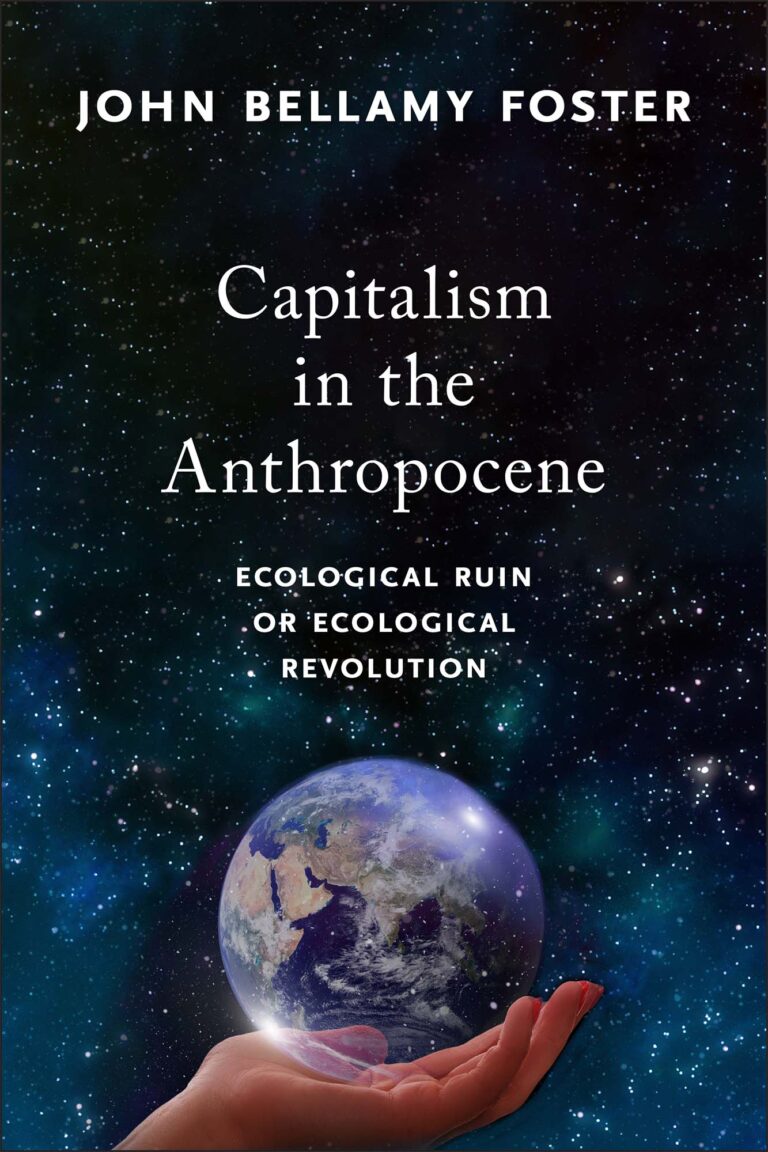
We don’t know if China will succeed in overcoming its immense ecological contradictions. But rather than worrying about China’s struggle to create an ecological civilization, I worry with it, and with the struggles of the Chinese people as a whole.
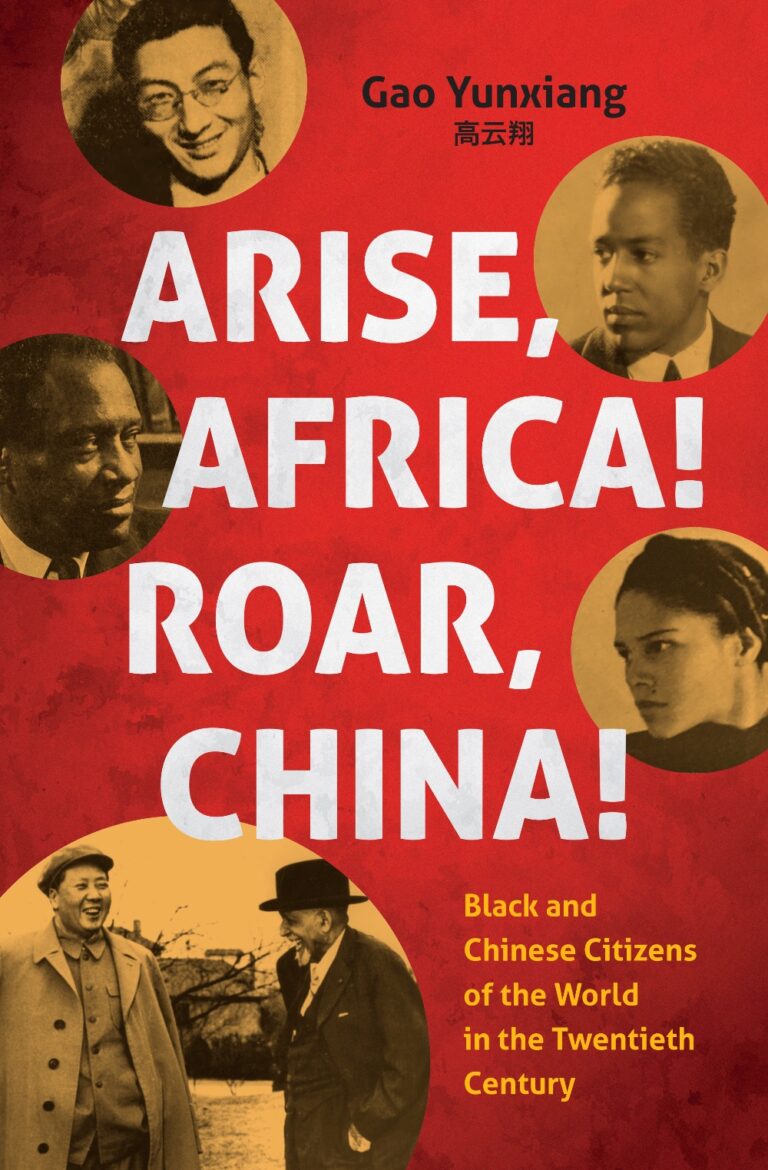
Chinese broadcasters have several times aired shows that feature Paul Robeson (1898-1976), one of the most popular African American singers and actors of his era and a well-known civil rights activist. It’s part of the history that connects Black internationalism with the experiences of Chinese people.
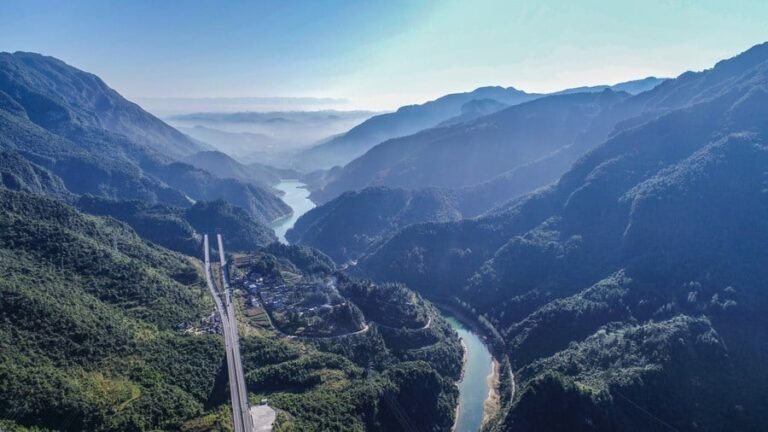
Over the last twenty years, China has gained recognition for its efforts to reduce pollution and remediate the effects of industrialization within its borders. In another effort towards this, communities are returning to grassroots projects that present an alternative to unchecked globalization.
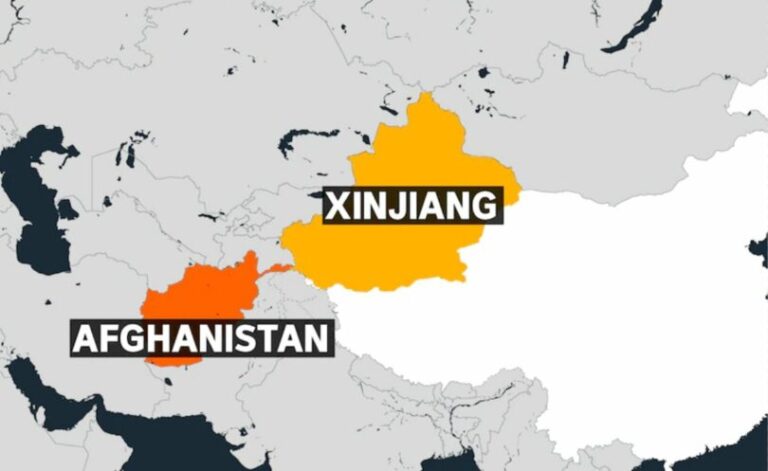
I find the best way to understand what happened in Xinjiang is to contrast it with Afghanistan. Why? Because they’re neighboring regions that faced very similar problems to which very different solutions were applied, with ultimately very different outcomes.
Once again, Western ‘experts’ are predicting a financial crash in China. How much truth is there in this latest batch of critiques on China’s economic progress?
Help us increase our readership.
If you are enjoying reading Janata Weekly,
DO FORWARD THE WEEKLY MAIL to your mailing list and
invite people to subscribe for FREE!