Ambedkar, Buddhism and Dalit Liberation
Events of the last few days indicate AAP and BJP worship Ambedkar purely for electoral gains and not from commitment to his ideas.
India’s oldest Socialist Weekly!
Editor: Dr. G.G. Parikh | Associate Editor: Neeraj Jain | Managing Editor: Guddi
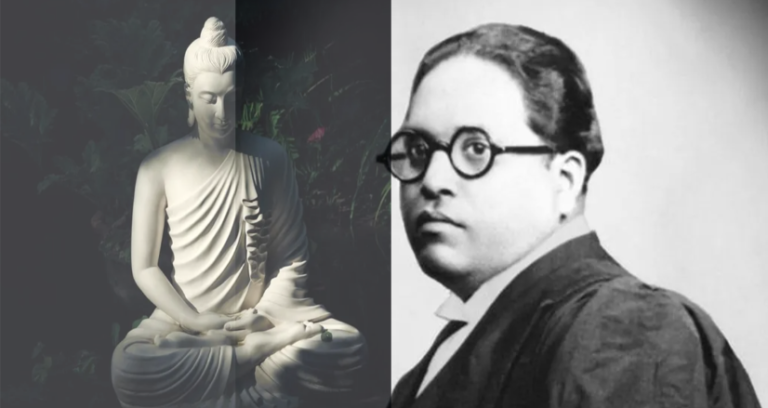
Events of the last few days indicate AAP and BJP worship Ambedkar purely for electoral gains and not from commitment to his ideas.
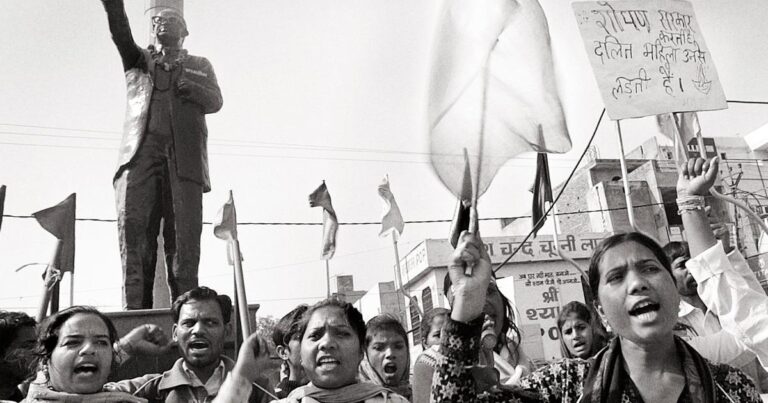
Written during the pandemic, these six poems stage the myriad everyday theatres of the self, the family, the domestic, the personal, the public, the political, the national, and even the civilisational, where caste and gender interlock to determine intimate pasts and futures of inequity and exclusion.
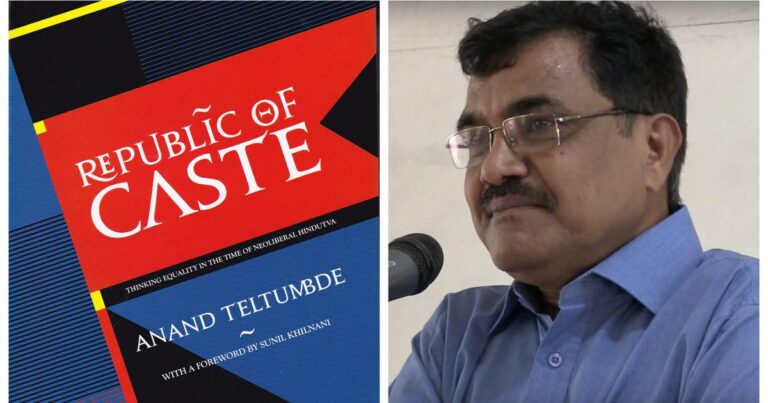
His vision of working-class unity with an anti-caste core may or may not be realisable, but it is an important line of argument and action at the very least.
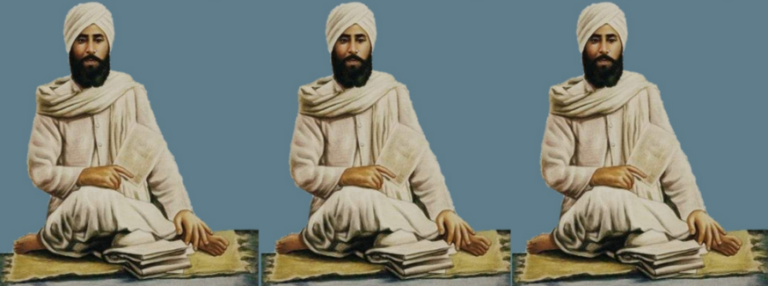
In the early 20th century, the trend of protest against caste-based discrimination found its profound expression in the works and activism of Swami Achutanand.
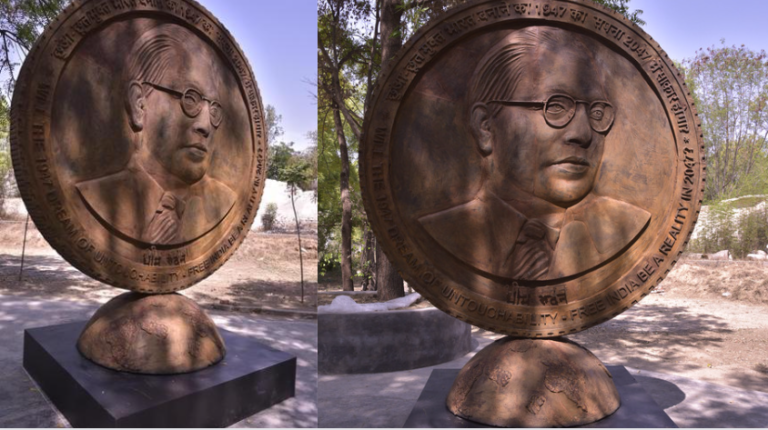
Gujarati Dalits will ferry a one-tonne brass coin dedicated to BR Ambedkar to Parliament for the 75th anniversary of Independence. They want to remind MPs that they have failed to eradicate untouchability.

I would ask Dalits to not blindly extol and worship Ambedkar’s images, not to marginalise his thoughts by making him a deity. If you want to remain a slave, please do. The Indian constitution allows you be a slave willfully. But do not defile or kill Ambedkar.
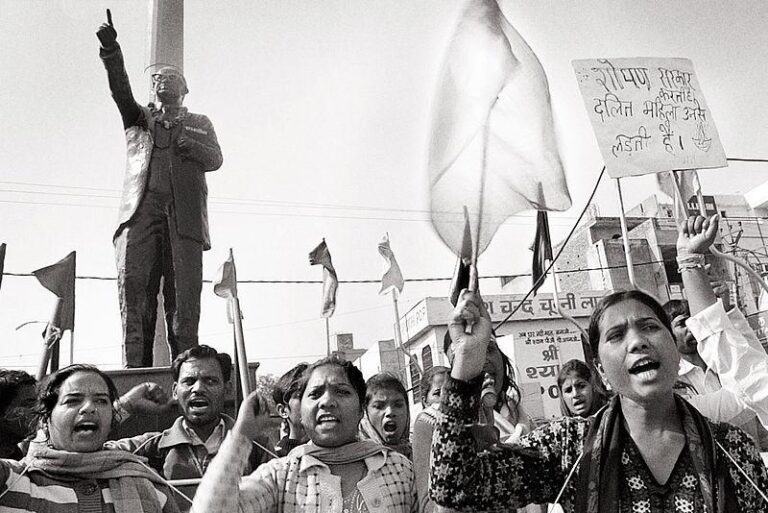
The well-known activist explains how he came to the conclusion that a Dalit must get defined not by caste but action and belief.
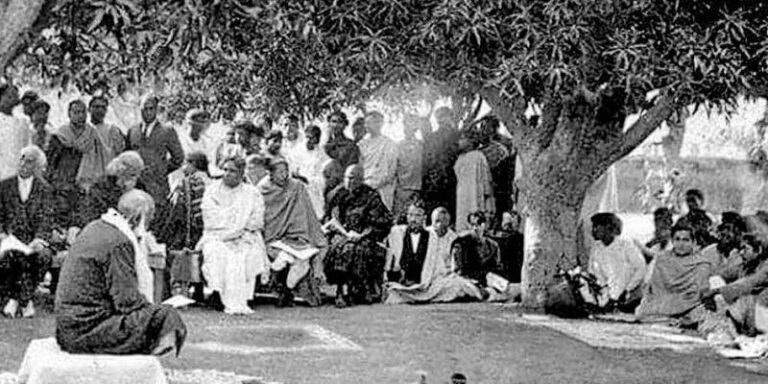
Three of Rabindranath Tagore’s short stories, written within a few months of one another, posit the irreconcilability of being human with patriarchy and gender inequity.
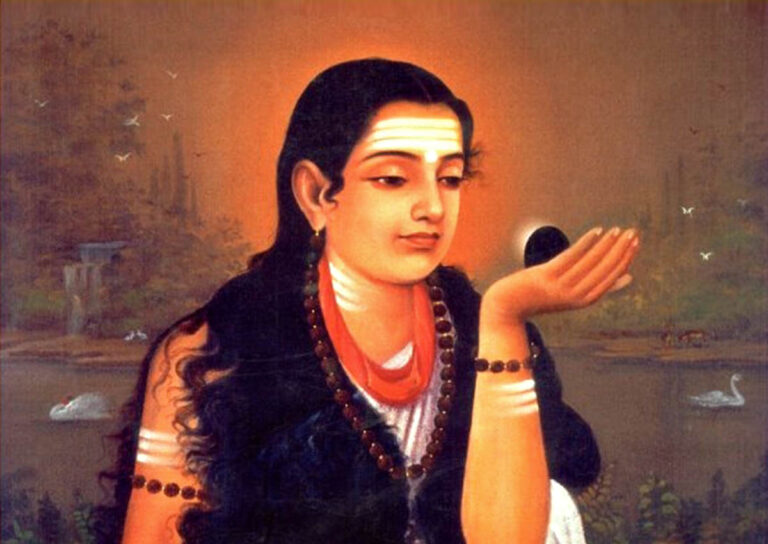
Their sheer sense of individualism and power through spirituality made the rise of women’s voices prominent in Bhakti tradition. We can trace the elements of feminism through their songs, poems, and ways of life. On some of the important women saints of the Bhakti tradition who became the primitive voices of the rise of feminism in India.
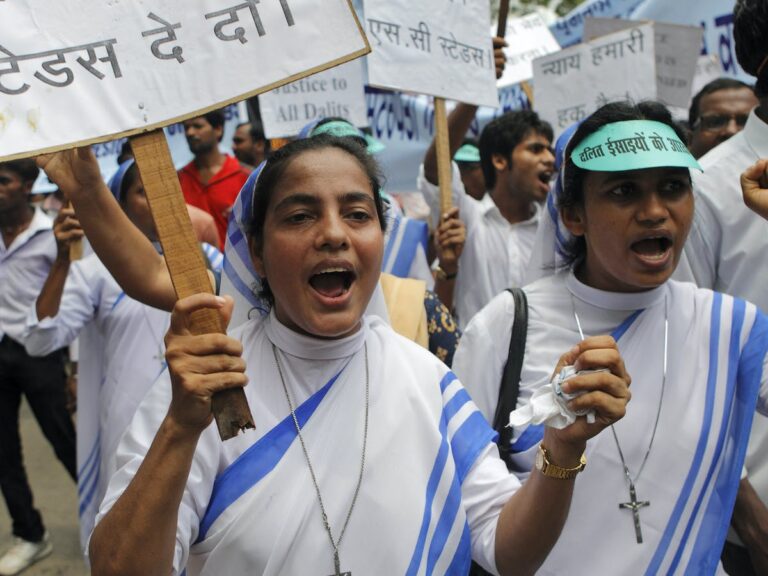
While the caste system originated in Hindu scriptures, it crystallized during British colonial rule and has stratified society in every South Asian religious community. In addition to India, it is present in Pakistan, Bangladesh, Nepal, Sri Lanka, the Maldives and Bhutan.
Help us increase our readership.
If you are enjoying reading Janata Weekly,
DO FORWARD THE WEEKLY MAIL to your mailing list and
invite people to subscribe for FREE!