Sri Lanka: How a ‘Model’ Welfare State Became ‘Sick Man of South Asia’
The Gotabaya Rajapaksa government’s culpability can be said to lie in steering the country into the clutches of neo-liberalism, though it may not have had a choice.
India’s oldest Socialist Weekly!
Editor: Dr. G.G. Parikh | Associate Editor: Neeraj Jain | Managing Editor: Guddi

The Gotabaya Rajapaksa government’s culpability can be said to lie in steering the country into the clutches of neo-liberalism, though it may not have had a choice.

The hikes are hitting the poor the most. What is needed, therefore, is a policy mix that includes direct taxes on the rich as well as quantitative rationing of petro-products.
There is a pervasive view that growth under capitalism, though it may worsen poverty, even absolute poverty, to start with, eventually leads to a lowering of poverty. The experience of the English Industrial Revolution is invoked in this context. This entire view however is a myth.
There is a common misconception that the term imperialism is no longer relevant now. The essence of the relationship of imperialism lies in the control over the world’s resources, including land-use, by the metropolitan powers. Neo-liberal globalisation has meant that control over these third world assets have been returned to metropolitan capital.
This is because such governments are blatantly subservient to the interests of the hegemony of finance, which is wary of financial assets losing value.
The economy is in such dire straits: there is an urgent need for a strategy that promotes economic revival, while providing relief to the poor, and contributing to an abatement of inflation. However, the 2022-23 union budget does not even show cognizance of the problem.

Through “nationalised banks-NBFC” deals, the Modi government is trying to achieve what the three farm laws could not achieve.
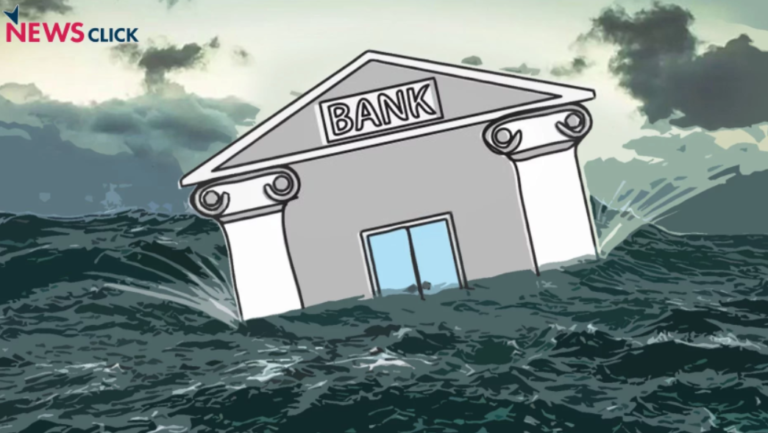
State ownership of banks not only provides for wider reach of institutional credit but also for stability of the financial system of capitalism itself.

The People’s Commission on the Public Sector and Public Services has emphasised that the public sector was created as an essential instrument for achieving a welfare State in India in consonance with the vision articulated in the directive principles of state policy laid down in the Constitution.
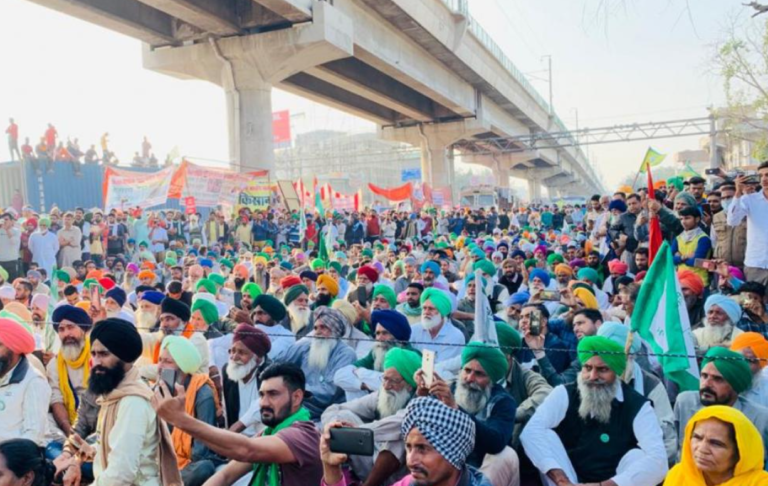
The climbdown by the Modi government in the face of the incredible resoluteness shown by the agitating peasants is a setback for neoliberalism, since corporate ascendancy over the agricultural sector is a crucial part of the neo-liberal agenda the farm laws were seeking to promote.
Help us increase our readership.
If you are enjoying reading Janata Weekly,
DO FORWARD THE WEEKLY MAIL to your mailing list and
invite people to subscribe for FREE!