Capitalism | Economy | Online Blog | USA
U.S. Economy: Beneath the Bombast
U.S. President Trump made a series of boasts about the success of the U.S. economy in his Davos speech. This articles examines these claims.
India’s oldest Socialist Weekly!
Editor: Dr. G.G. Parikh | Associate Editor: Neeraj Jain | Managing Editor: Guddi

U.S. President Trump made a series of boasts about the success of the U.S. economy in his Davos speech. This articles examines these claims.

The stock market may be booming and the AI hype is still exploding, but the rest of the economy is not so buoyant; and there appear to be cockroaches eating into the clean running of the world of debt.
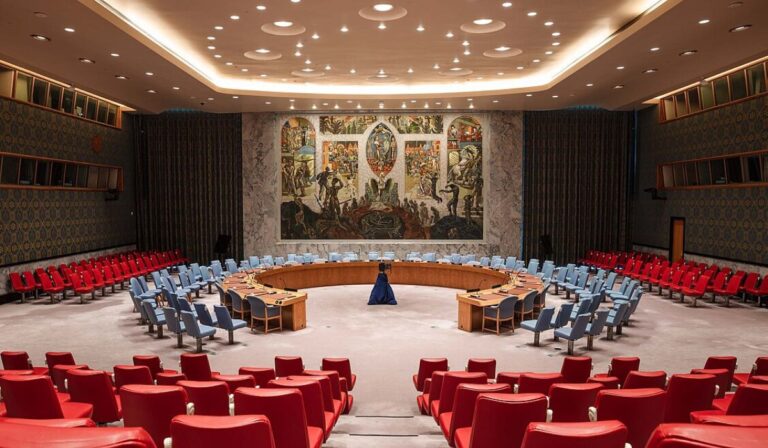
The current powerlessness of the UN reflects the relative decline of US economic hegemony.

A significant economic slowdown into stagnation, alongside still relatively high inflation; a crippling debt burden for the majority of the world’s population eking out a bare living; and an accelerating climate crisis—none of these issues will be discussed in the Rockies or in the Grand Hotel in Stockholm.

The struggle between the emerging imperialist powers in the late 19th century ended in two world wars in the 20th century. The attempt of U.S. imperialism to destroy the emerging economic and political power of China poses the same risk.

As billionnaires meet in luxury, Oxfam publishes a staggering condemnation of capital’s failure to meet humanity’s needs.

The capitalist mode of production is in a ‘polycrisis’, that is, where various crises – economic (inflation and slump); environmental (climate and pandemic); and geopolitical (war and international divisions) – have come together in the early 21st century. An update of this polycrisis.
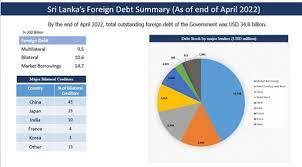
Debt payments are consuming more of government spending in poor countries when they were already struggling to provide education and health services. On average, the poorest countries spend just 3% of GDP on their most vulnerable citizens – compared with an average of 26% for other economies.
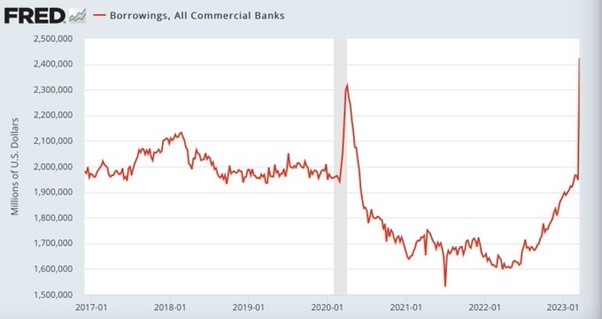
So is it all over? Well, it ain’t over til it’s over. The latest Fed data from show that U.S. banks lost $100bn in deposits in one week. Since the crisis started three weeks ago, while the large U.S. banks have added $67bn, the small banks have lost $120bn and foreign-owned banks $45bn.

The empirical evidence is just not there for the ‘trickle-down’ theory or the Laffer curve.
Help us increase our readership.
If you are enjoying reading Janata Weekly,
DO FORWARD THE WEEKLY MAIL to your mailing list and
invite people to subscribe for FREE!