जोसेफ ‘पेपे’ मुजिका यांच्या निधनानंतरचा शोकसंदेश आणि त्यांचा वारसा
जोसेफ ‘पेपे’ मुजिका यांच्या निधनानंतरचा शोकसंदेश आणि त्यांचा वारसा
India’s oldest Socialist Weekly!
Editor: Dr. G.G. Parikh | Associate Editor: Neeraj Jain | Managing Editor: Guddi

जोसेफ ‘पेपे’ मुजिका यांच्या निधनानंतरचा शोकसंदेश आणि त्यांचा वारसा
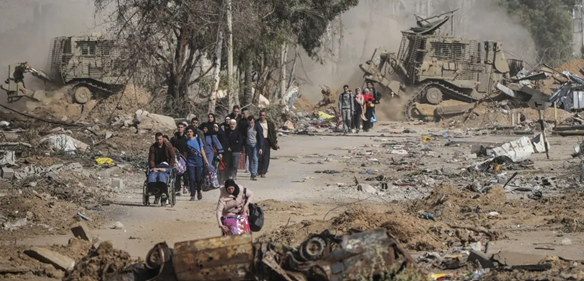
‘True Gaza Death Toll May Top 100,000, New Study Reveals’; and: ‘Israel Waging a Relentless War of Starvation on Gaza, IPC Report Confirms’.
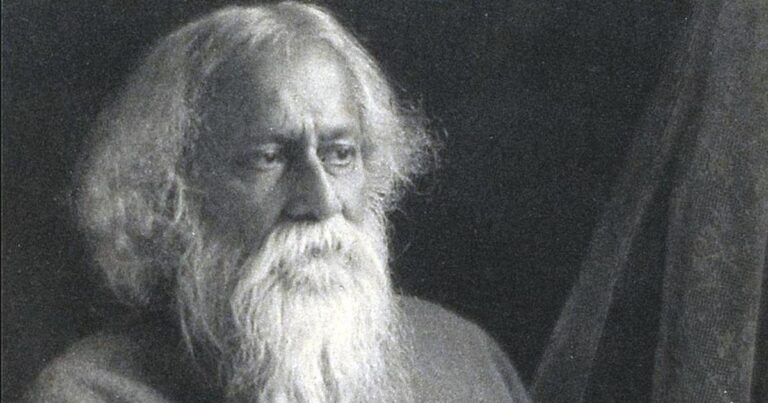
‘When War Becomes a Meme: Tagore’s Warning Against Hollow Nationalism’: The jarring contrast between virtual rage begs a question: what have we made of nationalism and what has it made of us? Also: ‘India, Pakistan and The Day After’.
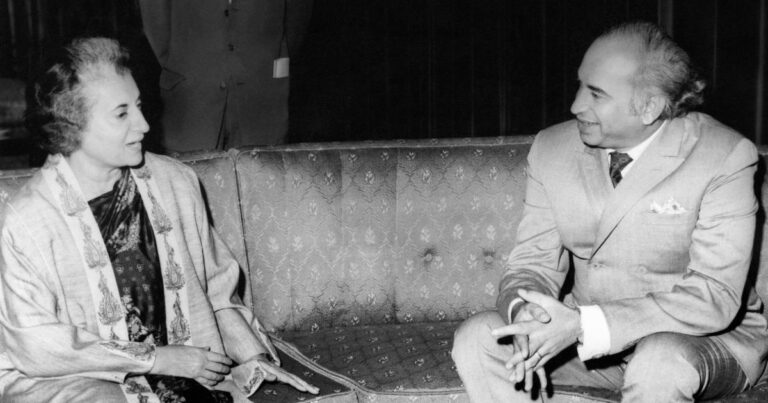
Donald Trump’s public interventions negate India’s view that any crisis with Pakistan and Kashmir are bilateral issues, says defence expert Sushant Singh.
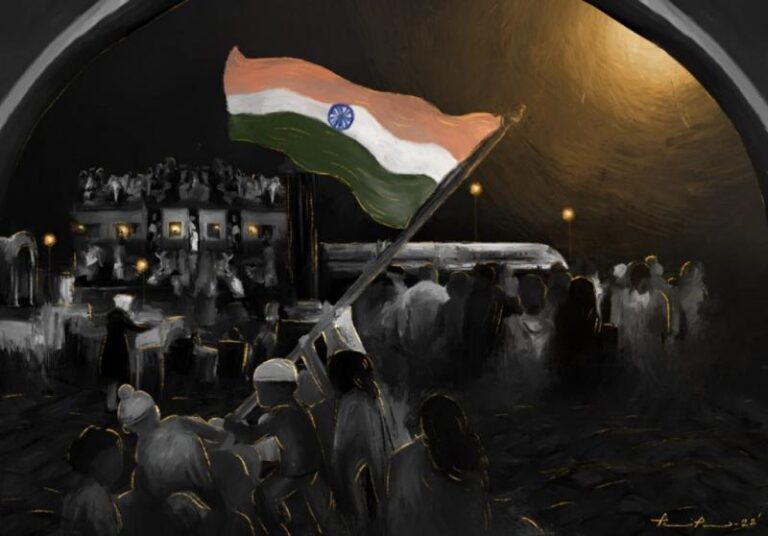
‘National Unity Cannot be Celebrated Merely as a Wartime Gimmick’. Also, ‘What Can Modi and His Supporters Learn About Secularism Following the India-Pakistan Conflict?’: What those like Colonel Sofiya Qureshi said about secularism is the opposite of the sentiments the political establishment has expressed.
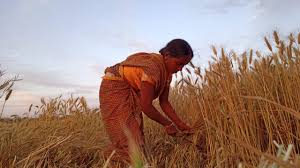
‘Why Tariff Parleys With US Will Hurt Indian Farmers’: The net outcome will be a cut in Indian tariff rates vis-à-vis US goods, which will mean lowering of MSP for foodgrains and the entry of heavily subsidised American grains into India. Also: ‘WTO’s Rulebook is a Blow to Indian Farmers – It Favours the Rich and Punishes the Poor’.
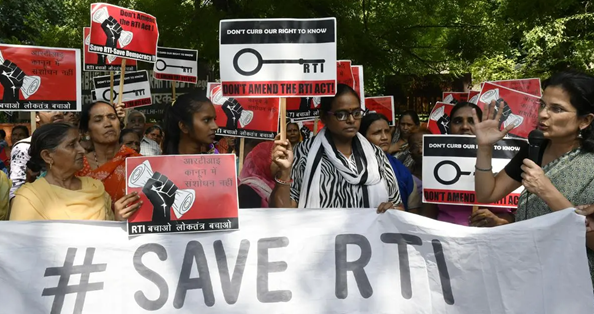
‘Will the DPDPA Muzzle RTI Act and Investigative Journalism?’. Also: ‘The Draft Digital Personal Data Protection Rules: Surveillance for Surveillance’s Sake’.

New Delhi’s decision to auction 13 offshore mineral blocks for deep-sea mining is being opposed by the fish workers. The ruling Left Democratic Front and the opposition Congress are also opposed to it. They fear it will ruin marine biodiversity and fishing livelihoods.
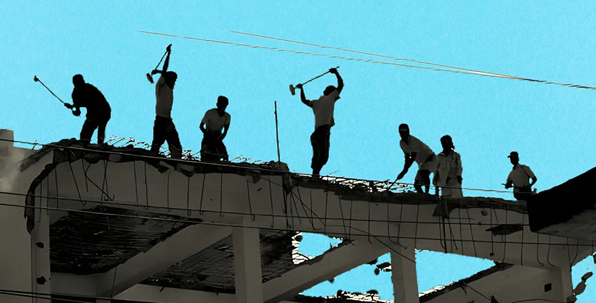
With the aggravating effects of neoliberalism and Hindutva fascism, labour rights in India, which are a reflection of citizenship itself, have been systematically diluted through protective legislation, the criminalisation of protests and strikes, the informalisation of work, and attacks on unionisation – notably through the new labour codes.
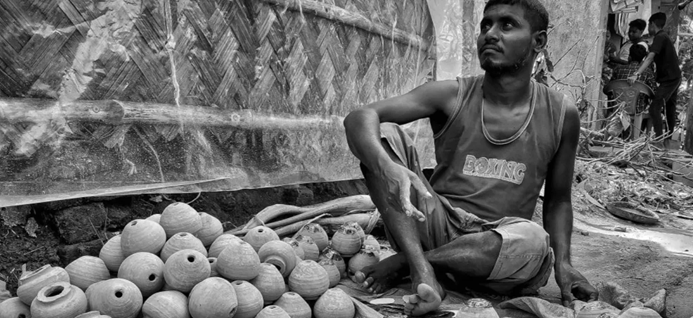
Does caste still dictate occupation and occupational mobility? A socio-economic survey in Uttar Pradesh reveals that aside from modest Dalit upward mobility, the occupational gap between upper-caste Hindus and other groups remains unchanged or has even widened over three successive generations.
Help us increase our readership.
If you are enjoying reading Janata Weekly,
DO FORWARD THE WEEKLY MAIL to your mailing list and
invite people to subscribe for FREE!